Analyzing Dolphin Kick Techniques in Synchronized Swimming Footage for Competitive Lap Improvements
Written by Katja Brooks · May 23, 2026
Analyzing Dolphin Kick Techniques in Synchronized Swimming Footage for Competitive Lap Improvements
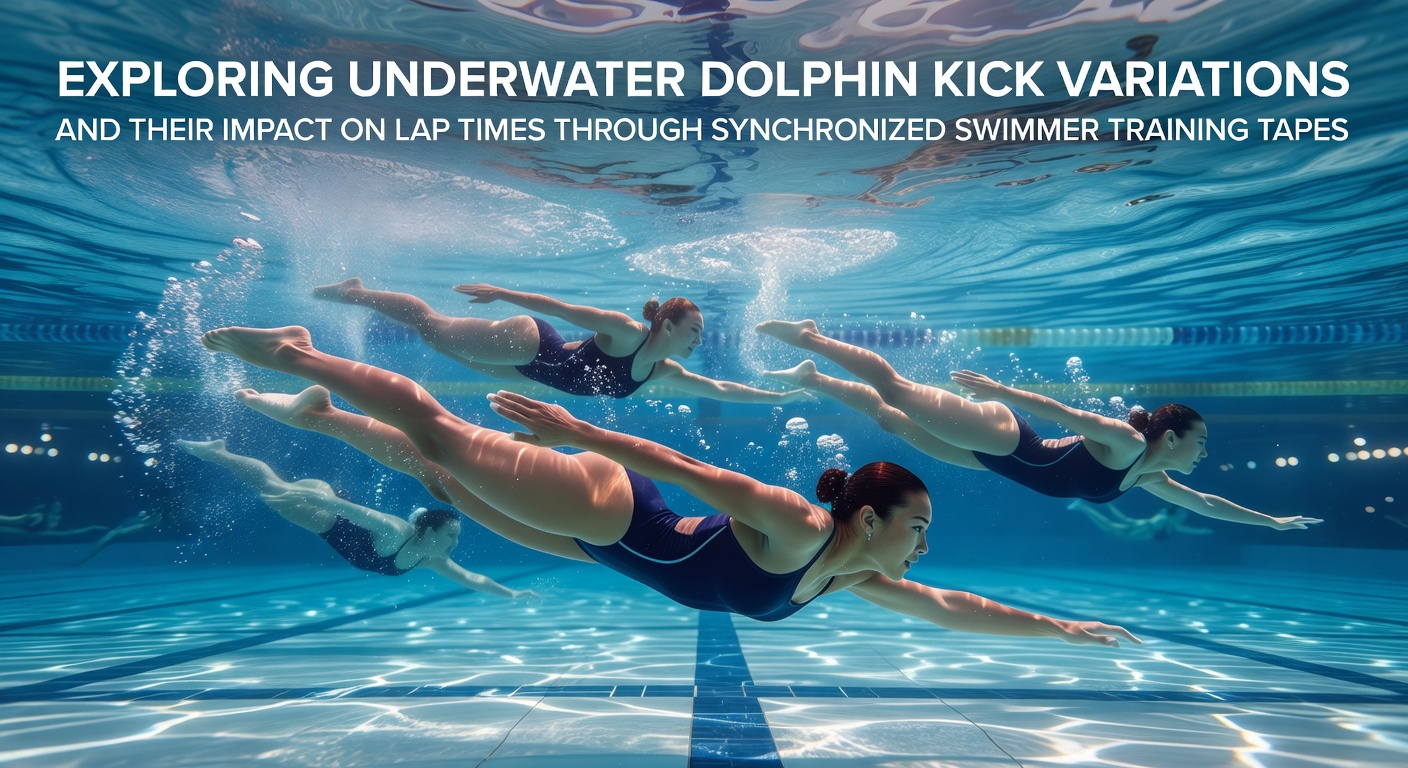
Competitive swimmers have long studied underwater dolphin kick variations, and synchronized swimming training tapes offer detailed insights into how different techniques influence lap times across various events. These recordings capture body positioning, kick amplitude, and frequency patterns that researchers examine frame by frame to identify propulsion efficiencies and drag reductions.
Training footage from artistic swimming programs shows athletes executing dolphin kicks with distinct wave patterns, where undulation starts at the chest and travels through the hips and legs. Data collected from such analyses indicates that smaller amplitude kicks with higher frequency often maintain momentum better during longer underwater phases, whereas larger amplitude movements generate more initial thrust but increase resistance at greater depths.
Key Variations Captured in Synchronized Training Archives
Observers reviewing synchronized swimmer tapes note several consistent variations in underwater dolphin kicks. One common approach involves a streamlined body line with minimal knee bend, which researchers link to reduced frontal drag during the push-off phase from the wall. Another variation features a pronounced hip-driven wave that recruits core muscles more actively, allowing swimmers to cover additional distance before surfacing.
Studies from institutions such as the Australian Institute of Sport have examined these patterns in relation to race splits, revealing that optimized kick cycles can extend underwater travel by several meters without exceeding breath-hold limits. Footage also highlights how synchronized teams coordinate identical kick rhythms, which provides comparative data on individual adaptations.
Impact on Lap Times Across Stroke Disciplines
Lap time improvements tied to dolphin kick refinements appear most pronounced in freestyle and butterfly events, where underwater segments constitute a significant portion of each length. Analysis of training tapes demonstrates that adjusting kick frequency to match stroke rate upon surfacing helps maintain overall velocity, while mismatched rhythms create deceleration points that add seconds to final times.
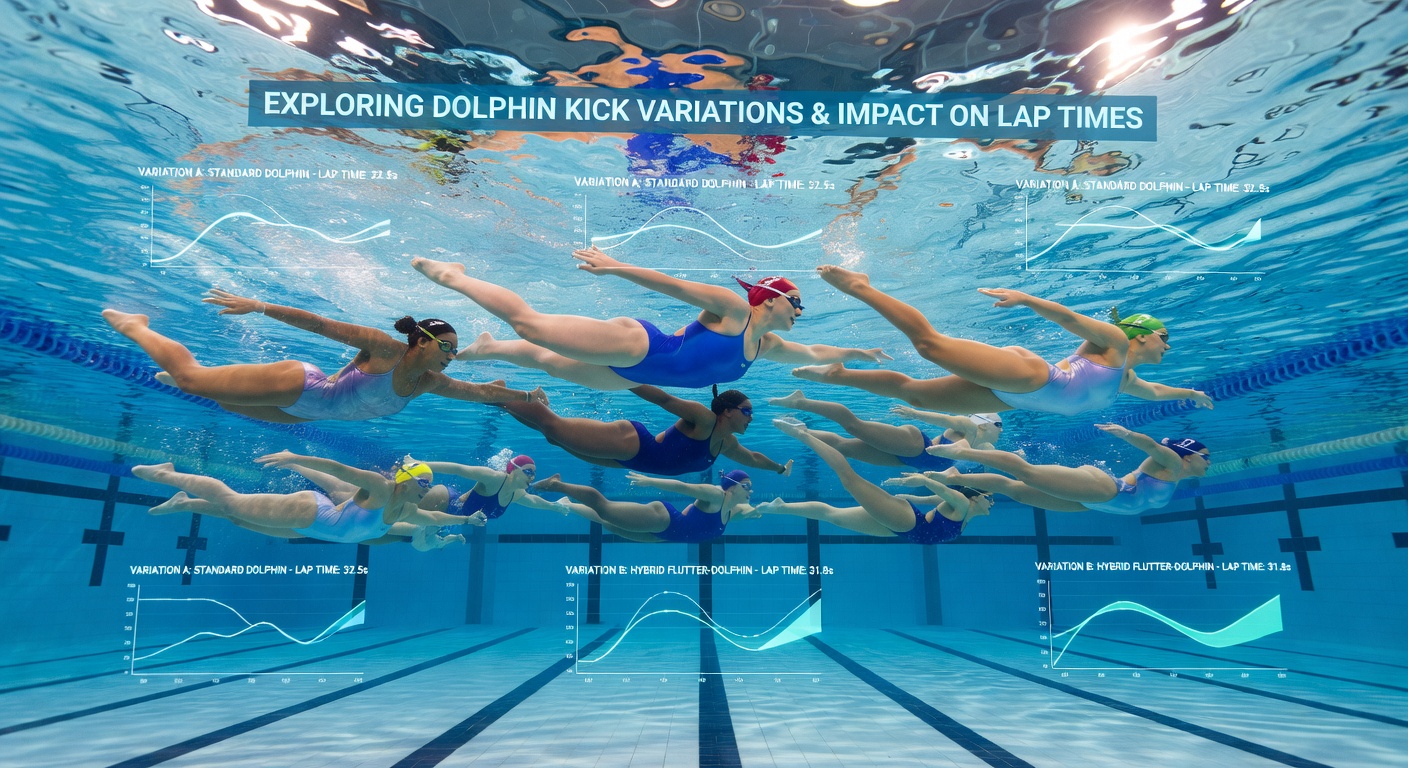
Researchers tracking competitive meets report that swimmers who refine their kick variations through repeated review of synchronized footage achieve measurable reductions in underwater phase duration without sacrificing distance. For instance, athletes incorporating a hybrid technique blending moderate amplitude with controlled frequency show consistent gains in 100-meter and 200-meter events, according to performance logs maintained by national training centers.
Training Methodologies Derived from Footage Review
Coaches incorporate synchronized swimmer training tapes into dryland and pool sessions to isolate specific kick elements. Athletes review segments showing body roll angles and ankle positioning, then replicate those mechanics in targeted sets. This process allows for incremental adjustments that data from timing systems later quantify as faster lap splits.
Programs in Canada and the European Union have integrated such video analysis into their protocols, with reports from the Swimming Canada technical resources indicating structured use of artistic swimming archives for technique refinement. Swimmers practice maintaining a neutral head position and relaxed shoulder alignment, elements frequently highlighted in the tapes as contributors to sustained propulsion.
Measurement and Data Collection Practices
Performance tracking combines video review with electronic timing and pressure sensors placed along pool lanes. These tools capture how variations in kick depth and tempo correlate with velocity changes over multiple laps. Evidence from longitudinal studies shows that swimmers who systematically test different kick styles through tape analysis reduce average lap times by refining their individual biomechanics.
Training centers schedule periodic footage reviews, often aligning with competition cycles such as those leading into major events scheduled for May 2026. This timing allows athletes to implement adjustments well in advance, using synchronized swimmer examples as benchmarks for efficiency.
Conclusion
Exploration of underwater dolphin kick variations through synchronized swimming training tapes continues to inform competitive swimming practices worldwide. By examining propulsion mechanics, body alignment, and frequency adjustments documented in these recordings, programs develop targeted interventions that translate into measurable lap time enhancements across events. Ongoing analysis of such footage supports evidence-based refinements that enhance underwater performance without relying on subjective interpretation.