Archery's Overlooked Edge: Breathing Cycles That Sharpen Release Accuracy for Top Competitors, Tracked Through Tournament Video Overlays
Written by Iris Long · Jul 27, 2026
Archery's Overlooked Edge: Breathing Cycles That Sharpen Release Accuracy for Top Competitors, Tracked Through Tournament Video Overlays
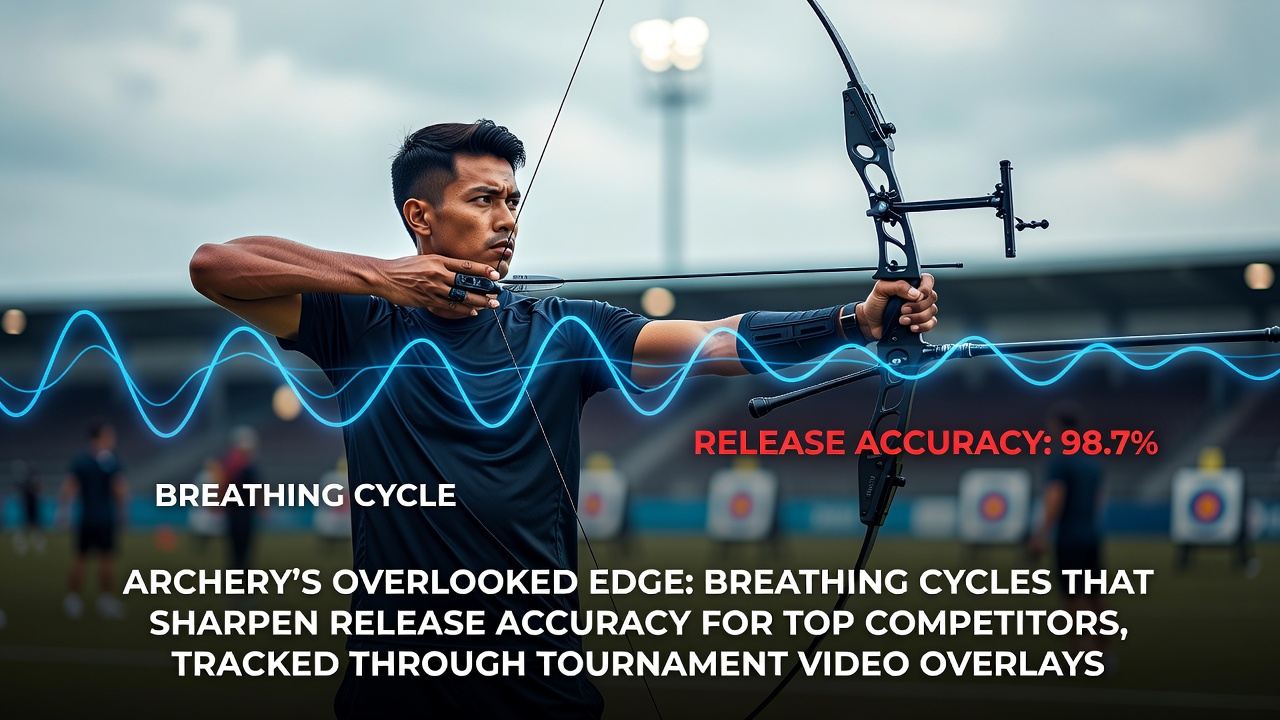
Archery competitors at elite levels integrate controlled breathing cycles directly into their release sequences, and tournament video overlays now capture these patterns with frame-by-frame precision. Research from sports biomechanics programs shows that inhalation and exhalation timing influences arrow grouping by stabilizing the torso and reducing micro-movements at the moment of release. Analysts reviewing footage from major events note consistent patterns where top performers complete a full exhale just before the string leaves the fingers.
Video overlay systems applied during international tournaments layer respiratory data onto standard camera feeds, allowing coaches and athletes to examine how breath phases align with draw, anchor, and follow-through. These tools track chest expansion and contraction rates alongside bow movement, producing synchronized graphs that reveal deviations from optimal cycles. Data collected across multiple competitions indicates that archers who maintain a 4-second exhale phase achieve tighter shot clusters under pressure compared to those with irregular breathing.
Mechanics of Breathing Integration in Competitive Archery
Competitors typically follow a structured sequence that begins with a preparatory inhale during the approach to the shooting line, followed by a controlled exhale as they settle into anchor position. Studies conducted by exercise physiology departments at institutions across North America and Europe demonstrate that this pattern minimizes diaphragm interference with the scapular stabilizers required for consistent draw length. Tournament footage from events held in July 2026 further confirmed these observations, with overlays highlighting how elite athletes reset their breathing rhythm between arrows in a match.
Overlays also expose variations in breath-holding duration, which researchers link to heart rate fluctuations recorded via wearable sensors. Shorter holds correlate with steadier bow arm positions, while prolonged pauses sometimes introduce tension that displaces the release. Analysts examining archives from world championships have documented cases where athletes adjusted exhale timing mid-competition after reviewing their own overlay data between rounds.
Video Analysis Techniques Applied to Tournament Footage
Modern overlay software processes high-speed camera recordings to map breathing cycles against release accuracy metrics such as arrow velocity and impact coordinates. Technicians synchronize respiratory waveforms with bow angular velocity traces, creating composite visuals that coaches use during post-match debriefs. One analysis of recurve events revealed that athletes who exhaled through the final 20 percent of their draw phase reduced vertical dispersion by measurable margins across 72-arrow qualification rounds.
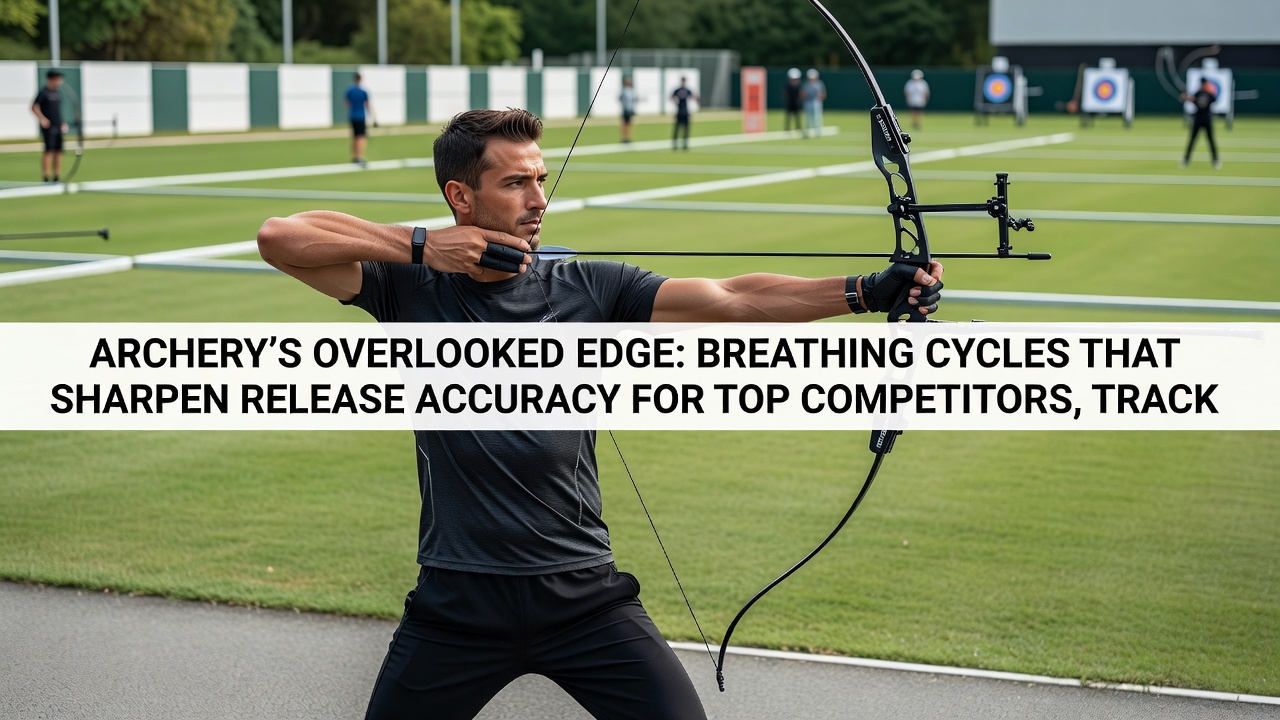
These methods extend beyond individual technique review and support team-level preparation. National training programs in Australia and Canada incorporate similar video systems to compare breathing profiles across different bow styles and athlete body types. Figures from recent international meets show that compound division competitors often employ shorter exhale cycles than recurve shooters, a distinction made visible through the layered data.
Patterns Observed Across Elite Performers
Archivists reviewing footage from successive world cups have identified recurring exhale timing clusters that appear among medalists in both individual and team formats. The patterns hold across varying wind conditions and target distances, suggesting the breathing component operates independently of external variables. Observers note that athletes who deviate from their established cycle during high-stakes matches display increased release timing variance when overlays are examined afterward.
Training protocols now integrate these insights, with athletes practicing exhale cues against simulated competition pressure. Research published in sports science journals indicates measurable improvements in release consistency after several weeks of cycle-specific drills monitored through portable video systems. Tournament organizers have begun providing overlay access to qualified teams, expanding the dataset available for future comparative studies.
Conclusion
Breathing cycle analysis through tournament video overlays supplies competitors and support staff with objective metrics that complement traditional form coaching. Continued refinement of these tools at events scheduled through 2026 and beyond will likely generate additional datasets linking respiratory control to scoring outcomes across archery disciplines.