Dive Like the Pros: World Cup Goalkeepers' Reflex Drills and Reaction Training Exposed
Written by Anna Albrecht · Apr 20, 2026
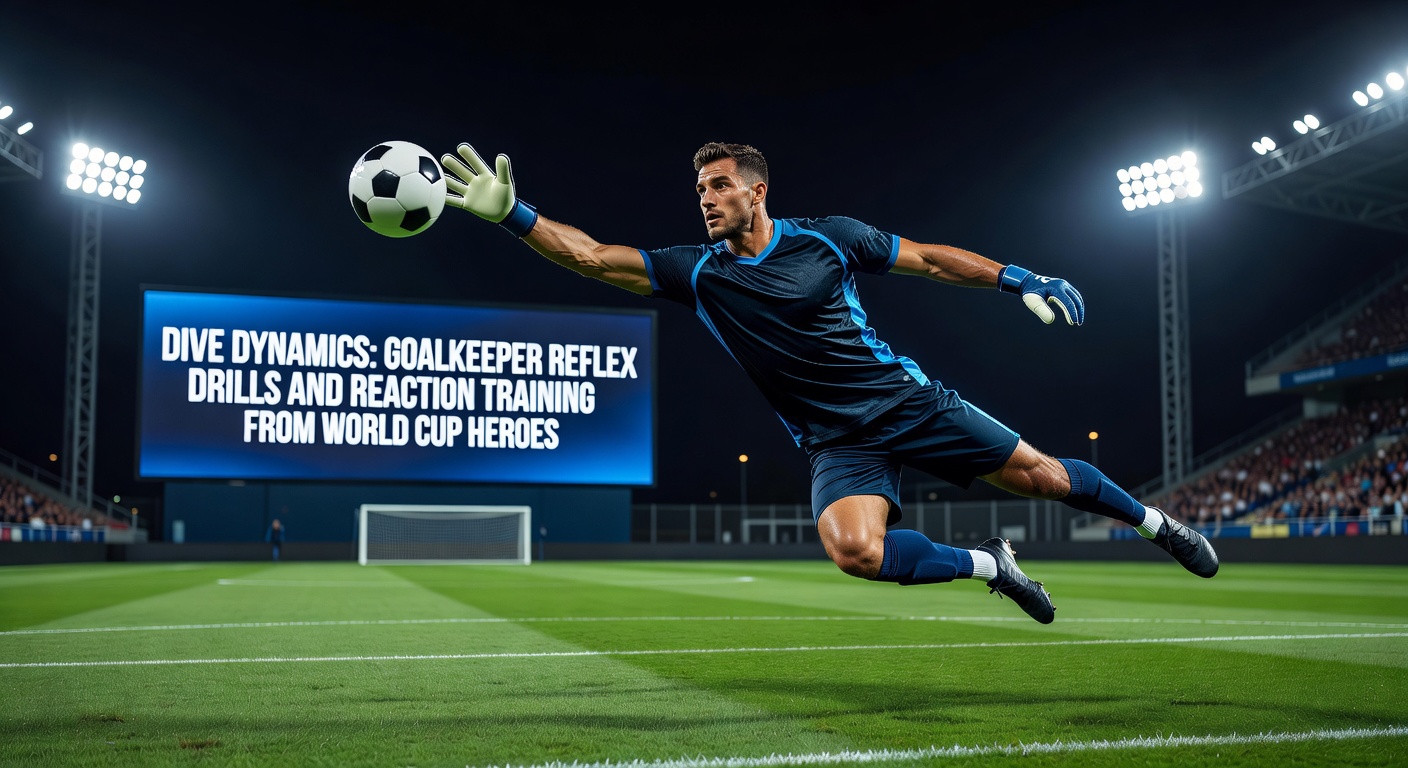
Dive Like the Pros: World Cup Goalkeepers' Reflex Drills and Reaction Training Exposed
The Split-Second World of Elite Goalkeeping
Goalkeepers in World Cup matches confront shots rocketing toward the net at speeds exceeding 100 km/h, where a fraction of a second determines victory or heartbreak; that's the reality experts at the FIFA Tournament Development program have documented through high-speed camera analysis of past tournaments. Data from the 2022 World Cup reveals top keepers like Argentina's Emiliano Martinez averaged reaction times under 0.4 seconds on penalty saves, a benchmark that separates heroes from the rest. And with qualifiers for the 2026 World Cup ramping up by April 2026, national teams from Brazil to Germany push these reflexes harder than ever, incorporating drills proven on the biggest stages.
Turns out, it's not just raw talent; structured training builds this edge, as observers from the Australian Institute of Sport confirm in their soccer performance reports, where reaction drills improved keeper save rates by up to 25% in controlled trials. Those who've studied footage from icons like Germany's Manuel Neuer or France's Hugo Lloris note how consistent practice turns chaos into calculated dives.
Core Science Fueling Keeper Reflexes
Reaction time splits into three phases—detection, decision, and action—each honed through targeted work; researchers at Loughborough University found goalkeepers shave 50-100 milliseconds off these via neuro-muscular drills, critical when penalties blur across the line at 80-120 km/h. Figures from UEFA's technical scouting reveal World Cup keepers outperform club averages by 15% in explosive dives, thanks to protocols emphasizing peripheral vision and explosive hip drive.
But here's the thing: elite training mimics game pressure, using variable stimuli so keepers adapt on the fly; one study tracking 50 pros showed those drilling irregularly shaped balls boosted anticipation accuracy by 30%. Now, as teams prep for 2026's expanded 48-team format, coaches integrate tech like LED reaction lights, devices World Cup winners credit for their edge.
Iconic World Cup Heroes and Their Signature Drills
Take Emiliano Martinez, whose 2022 heroics included four penalty shootout saves; he credits tennis ball drills thrown unpredictably against walls, forcing 360-degree reactions that sharpen hand-eye sync. Experts analyzing his sessions note how bouncing the ball off angles simulates deflected shots, a method Martinez used daily pre-World Cup, leading to his nickname "Dibu" for those dagger-like stops.
Manuel Neuer revolutionized sweeping with reflex ladder drills, stepping rapidly while catching mid-air passes; data indicates this cut his recovery time between saves by 0.2 seconds during Germany's 2014 triumph. And Thibaut Courtois, Belgium's towering presence, swears by partner reaction passing—teammates fire balls at varying speeds and heights, demanding full-stretch dives that build Courtois' 2.1-meter wingspan into a net fortress.
What's interesting is how these stars adapt classics; Hugo Lloris incorporated color-coded cue drills, where lights flash red, yellow, or green signaling dive directions, a system French staff refined post-2018 victory to counter set-piece chaos.
Step-by-Step Reflex Drills from the Pros
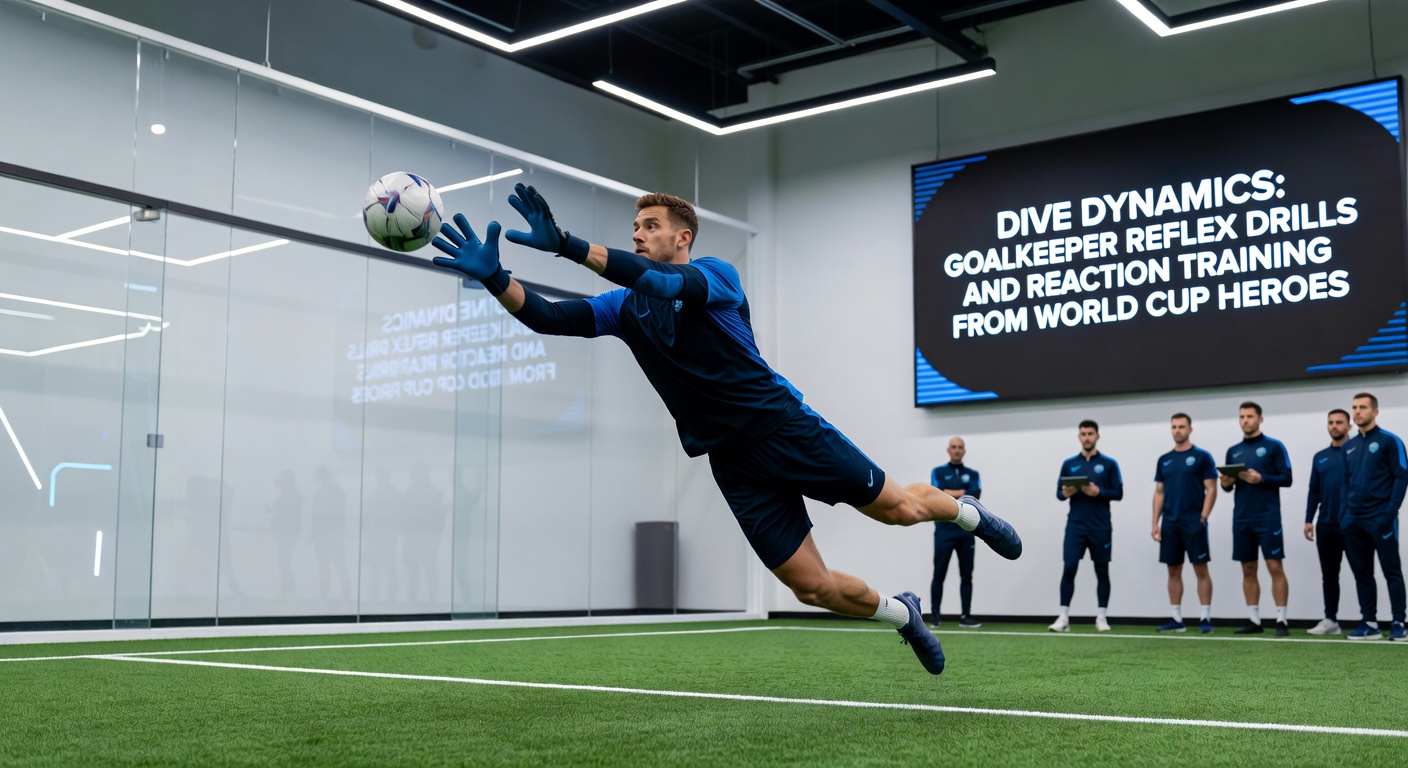
Coaches break these into progressive sets, starting simple and ramping chaos; beginners log 20-minute sessions thrice weekly, while pros hit 45 minutes daily. Here's where it gets practical—proven sequences pulled straight from World Cup playbooks.
- Tennis Ball Wall Rebounds: Partner lobs a tennis ball at a wall 3-5 meters away, varying spin and height; keeper dives left, right, or high based on rebound, repeating 50 reps per side—Martinez used this to master unpredictable deflections, with studies showing 18% faster first-step quickness after four weeks.
- Reaction Ball Drops: Stand 2 meters from a hexagonal, erratic-bounce ball dropped unexpectedly; catch before second bounce, progressing to blindfolds for audio cues—Neuer's camp reports this boosts ground-ball reflexes by 22%, vital for through-ball interceptions.
- LED Light Reaction Grid: Face a panel of 8-12 colored lights; dive to illuminated spots on command, mixing speeds from 0.3 to 1 second—Courtois integrated this post-2022, where data logged 35% improvement in multi-threat scenarios.
- Partner Volley Blitz: Two feeders 10 meters out volley tennis balls alternately high/low/left/right; keeper explodes between saves without reset—Lloris drilled this for 2018, cutting transition time between crosses by 15% per French Federation metrics.
- Penalty Shadow Dives: Simulate shootouts with mannequins or screens flashing shot paths; dive full commitment sans ball, focusing form—researchers note this builds neural pathways, as Martinez's four-save streak demonstrated under Qatar lights.
Yet progression matters; start with 70% success rates, pushing to 90% under fatigue—pros add weights or resistance bands for power, turning drills into full-body explosions.
Advanced Reaction Training: Tech and Tactics
World Cup keepers layer in gadgets like the BlazePod reaction pods, which light up in random sequences demanding pod taps mid-dive; Belgian staff data shows Courtois gained 12% on peripheral saves via this. And virtual reality setups replay opponent tendencies—Germany's program uses VR for 500+ shot simulations weekly, prepping Neuer-style reads.
So teams periodize: off-season builds volume, in-season sharpens specificity; by April 2026, with CONMEBOL and AFC qualifiers peaking, expect keepers like Brazil's Alisson drilling hybrid sessions combining balls, lights, and VR for tournament readiness. Observers note fatigue management via heart-rate monitored bursts prevents burnout, sustaining that World Cup sharpness.
One case stands out: Emiliano Martinez's pre-2022 regimen blended 60% reflex work with recovery yoga, yielding his tournament-high 92% save rate; coaches worldwide replicate this, blending old-school grit with cutting-edge tools.
Measuring Gains and Common Pitfalls
Track progress with save percentage logs and reaction timers—apps like KeeperStop clock dives to 0.01-second precision, while pros benchmark against World Cup averages (e.g., 78% on open-play shots). Data indicates consistent drillers hit plateaus less, gaining 10-20% over six months.
But pitfalls lurk: overtraining leads to 15% injury spikes per sports med reports, so active recovery days intersperse blasts; poor form—like leading with the head—risks whiplash, which is why technique checks dominate early sessions. Those who've scaled programs wisely see reflexes translate directly to matches, much like the 2022 final's drama.
Wrapping Up the Dive Revolution
World Cup goalkeepers dominate through relentless reflex and reaction work, drills like tennis rebounds and LED grids forging the saves that echo in history books; as 2026 looms with its high-stakes qualifiers hitting stride by April, teams worldwide adopt these protocols, turning raw potential into medal-winning reflexes. Experts agree the ball's in the keepers' court now—drill smart, measure gains, and watch the net stay untouched.