Fortifying Soccer Ankles: Targeted Exercises and Field Tests to Prevent Inversion Sprains
Written by Katja Brooks · Apr 23, 2026
Fortifying Soccer Ankles: Targeted Exercises and Field Tests to Prevent Inversion Sprains
The Hidden Toll of Inversion Sprains in Soccer
Ankle injuries strike soccer players with alarming frequency; data from the FIFA injury surveillance program reveals that sprains account for up to 20% of all match and training incidents, while inversion sprains—those inward rolls targeting the lateral ligaments—dominate the list. Players twist awkwardly on uneven turf during quick directional changes or tackles; the anterior talofibular ligament bears the brunt, often tearing partially and forcing weeks or months on the sidelines. Observers note how these injuries cluster in the final minutes of games when fatigue sets in, turning routine plays into costly mishaps. Research from the British Journal of Sports Medicine underscores this pattern, showing professional leagues report recurrence rates as high as 30% without targeted intervention.
What's interesting is how prevention lags behind awareness; coaches implement generic warm-ups, yet studies indicate specific ankle protocols cut risk by 35-50%. Those who've analyzed elite academies in Europe and South America discover that early adoption of balance work transforms vulnerability into resilience, keeping squads intact through grueling seasons.
Unpacking the Mechanics of Inversion Sprains
Inversion happens fast—a defender lunges, the planted foot rolls inward under body weight; peroneal muscles fail to fire quickly enough, and ligaments give way. Experts break it down: the calcaneofibular ligament follows suit in severe cases, while chronic instability creeps in if rehab falters. Data indicates youth players suffer most acutely, with U.S. Soccer Federation reports highlighting 1 in 5 high school athletes sidelined annually by such twists.
But here's the thing—soccer's demands amplify the danger; rapid accelerations, deceptive feints, and contested headers on lumpy pitches stress ankles beyond everyday limits. One study tracking MLS players found inversion events peak during counterattacks, where single-leg landings expose the joint maximally. Turns out, muscle imbalances play a starring role too; weak evertors versus dominant invertors tip the scales toward injury.
Core Strengthening Exercises for Bulletproof Ankles
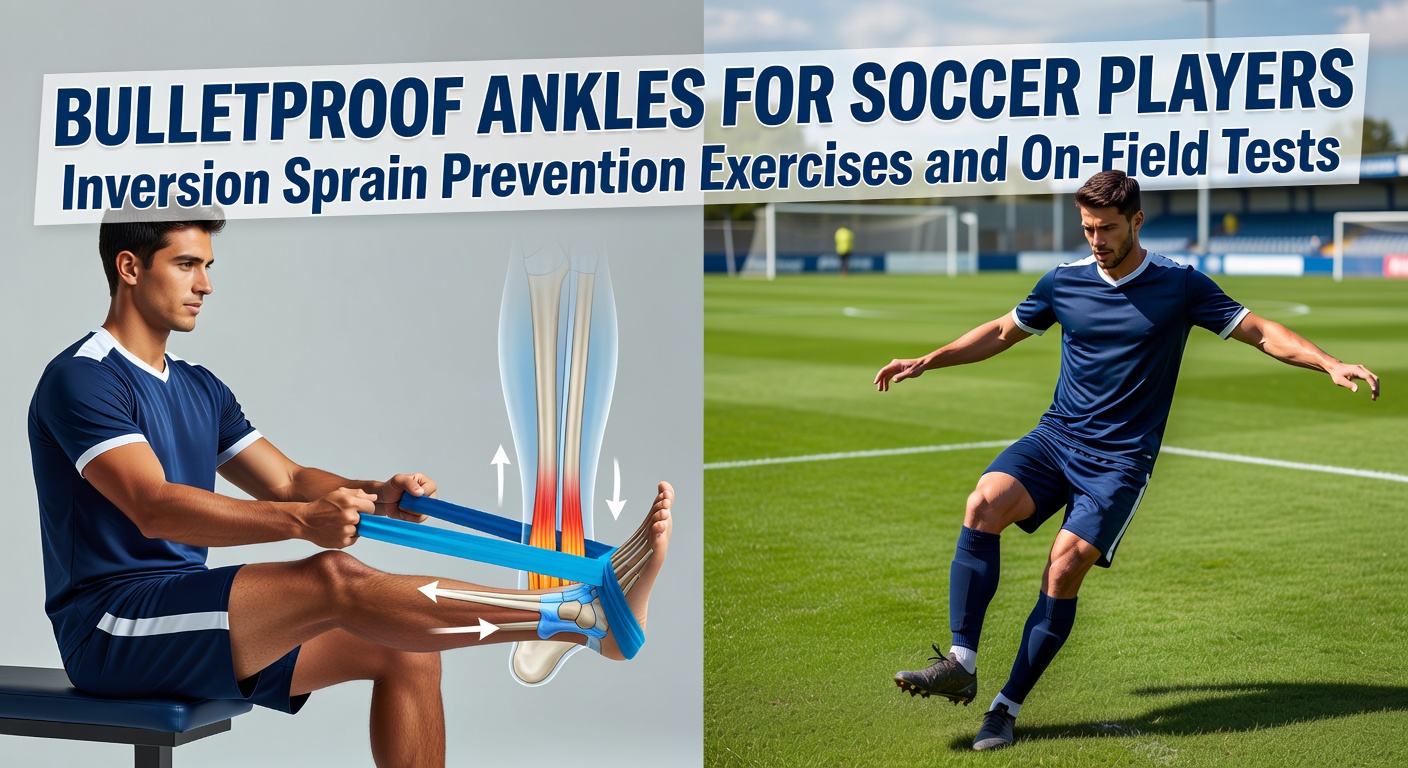
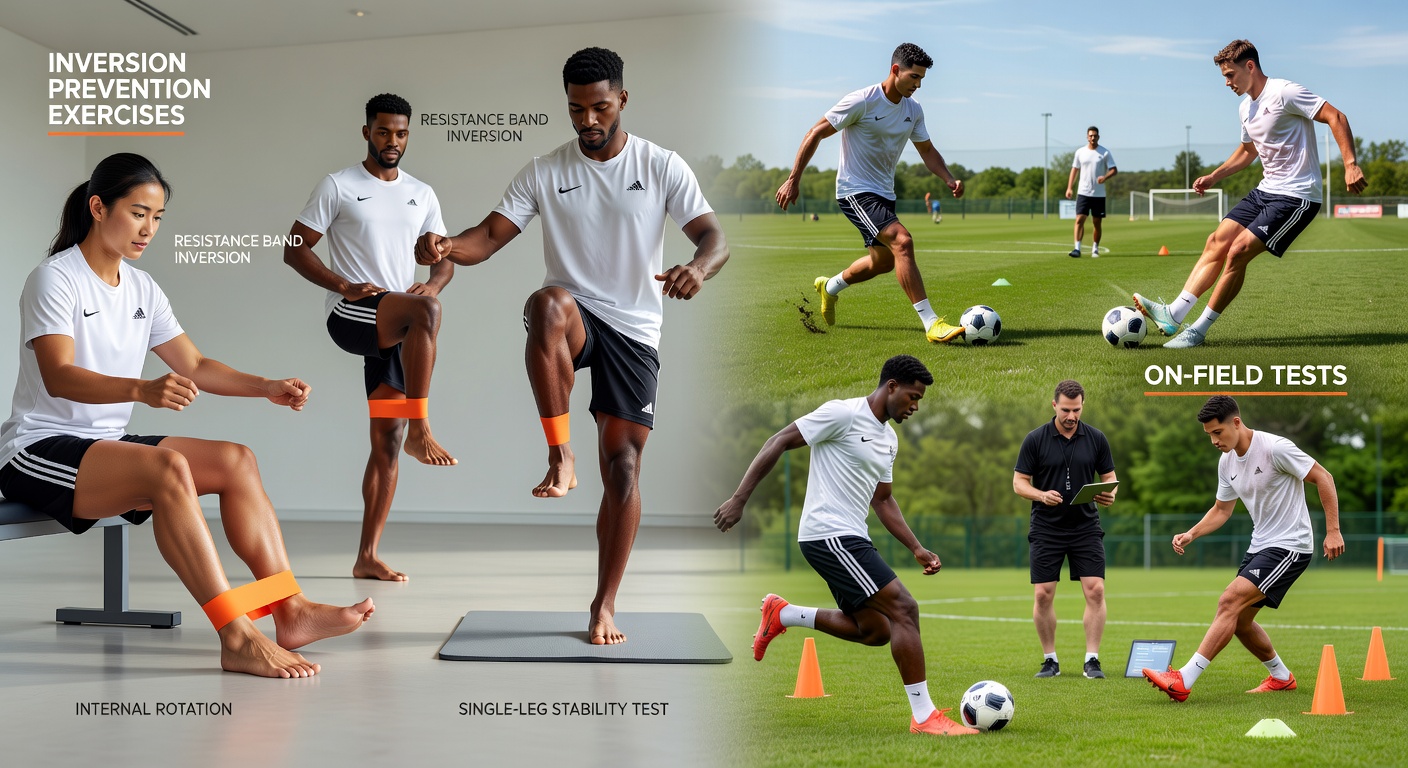
Athletes build ankle fortitude through progressive overload; trainers prescribe peroneal-focused moves that mimic pitch chaos, starting simple and ramping complexity. Resistance band eversion tops the list—loop a band around the forefoot while seated, foot flat; evert against tension for 3 sets of 15-20 reps per side, holding peaks for 2 seconds to fire stabilizers deep. Players progress to standing versions, eyes closed for proprioceptive punch.
And calf raises with a twist demand attention; rise onto toes on a step's edge, heels dropping below for eccentric load, then explode up emphasizing outward roll—this targets soleus and gastrocnemius while training peroneals, 4 sets of 12 with 3-second lowers. Those who've integrated this report quicker recovery from tweaks, as blood flow surges and tendons toughen.
- Single-Leg Balance Progressions: Stand on one foot for 30 seconds baseline; advance to foam pads or Bosu balls, adding reaches in star patterns to challenge limits—research shows 20% risk drop after 8 weeks.
- Lateral Hops: Bound side-to-side over low hurdles, landing softly on the forefoot; 3 sets of 10 per direction build reactive strength without joint compression.
- Monster Walks: Band around knees, shuffle in a square while maintaining tension—glutes and evertors activate in tandem, preventing valgus collapse.
Coaches layer these into prehab routines, 10-15 minutes thrice weekly; evidence from Australian Institute of Sport trials confirms inversion tolerance surges 25% post-protocol.
On-Field Tests to Gauge and Track Progress
Trainers deploy practical assessments right on the pitch; the Star Excursion Balance Test (SEBT) reigns supreme—mark eight directions from a central point, reach as far as possible on one leg without losing balance, normalizing to leg length for scores. Elite benchmarks hit 85-95% reach; deficits below 80% signal red flags, prompting intensified drills. Players test biweekly, logging asymmetries that predict sprain risk with 73% accuracy per meta-analyses.
Figure-8 hops add dynamism; weave through two cones 5 meters apart in a infinity loop, timing 3 trials per leg—top pros clock under 10 seconds, while slower marks correlate to fatigue-induced rolls. And the side-hop test shines for laterals: hop side-to-side over a 30cm line for 10 reps fastest time; data reveals pros average 6-8 seconds, with training boosting speeds 15% alongside stability.
Now picture this in action—one Bundesliga academy uses these mid-season, adjusting loads when scores dip; it's where the rubber meets the road for real-world readiness. As April 2026 qualifiers ramp up across confederations, teams leaning on these metrics stay ahead, dodging the injury waves that plague contenders.
Integrating Protocols into Soccer Training Cycles
Squads weave prevention seamlessly; periodized blocks allocate 70% off-season focus to strength, tapering to maintenance in-season with twice-weekly sessions. Warm-ups evolve too—dynamic drills like agility ladders with deliberate rolls replace static stretches, firing nerves preemptively. Observers track adherence via apps logging reps and test scores, ensuring consistency breeds results.
Take one case from Brazil's youth setup: after a cluster of sprains, coaches mandated band work and SEBTs; incidence plunged 42% over two seasons, per internal audits. Yet challenges persist—non-contact tweaks still sneak in on slick surfaces, underscoring holistic needs like footwear grip and pitch audits. Researchers emphasize taping or braces as adjuncts; prophylactic use cuts re-injury by 50% in high-risk players.
Women’s game data adds nuance; studies show female athletes face 25% higher rates due to Q-angle effects, so eversion drills carry extra weight. That's notable because tailored tweaks—like wider stances in hops—yield outsized gains, leveling the field.
Advanced Variations and Long-Term Maintenance
Seasoned pros chase edges with plyos; depth jumps onto unstable mats demand ankle snap-back, 3 sets of 8 honing eccentric control vital for headers. Wobble board inversions simulate peril—tilt deliberately inward, resisting with peroneals for 5-minute circuits; electromyography confirms 40% greater activation than static holds.
Recovery weaves in too; contrast baths post-session flush inflammation, while daily self-mobs with lacrosse balls release fibular head tension. Long-haulers monitor via wearables tracking ground contact; spikes in asymmetry trigger deloads. It's not rocket science, but diligence pays—veterans who've stuck to this dance injury-free into their 30s.
April 2026 brings fresh spotlights; with Copa America qualifiers testing rosters early, federations roll out standardized protocols, drawing from global data pools for sharper predictions.
Wrapping Up Ankle Resilience Strategies
Soccer demands ankles that endure; targeted eversions, balances, and field tests form the backbone, slashing inversion risks through proven mechanics. Data bears it out—programs like these restore symmetry, fortify ligaments, and keep players charging. Teams adopting early reap seasons of stability; the ball's in their court to prioritize now, turning potential pitfalls into non-events on the pitch.