Mapping Recovery Sequences in Professional Boxing Through Fight Footage and Heart Rate Overlays
Written by Iris Long · Jun 11, 2026
Mapping Recovery Sequences in Professional Boxing Through Fight Footage and Heart Rate Overlays
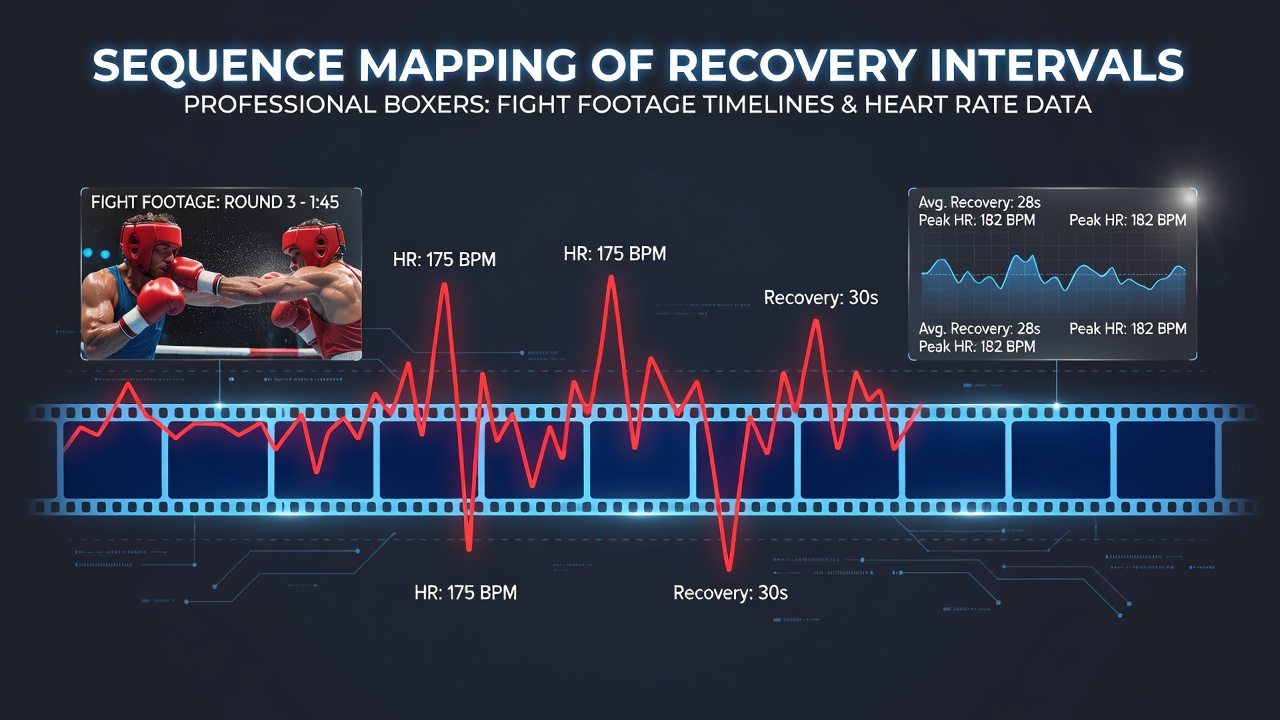
Sequence mapping of recovery intervals in professional boxers relies on synchronized fight footage timelines combined with heart rate data overlays to track physiological responses during the one-minute rests between rounds and data shows these intervals reveal distinct patterns across weight classes and fight durations. Analysts extract precise timestamps from broadcast recordings or training session videos then align them with biometric feeds from chest straps or armband sensors worn during competition or sparring sessions according to protocols established by sports science teams.
Integrating Video Timelines With Biometric Feeds
Researchers compile multi-angle footage from sanctioned bouts and apply frame-by-frame synchronization to mark the start and end of each round while overlaying continuous heart rate readings creates a visual sequence that highlights descent rates during rest periods and ascent rates at the opening of subsequent rounds. Teams at performance labs process these datasets using software that timestamps every punch thrown and every clinch broken so that recovery windows become quantifiable segments rather than anecdotal observations and studies conducted through the Australian Institute of Sport demonstrate how elite athletes achieve 15 to 25 percent heart rate reductions within 45 seconds of rest when hydration and breathing protocols remain consistent.
Patterns Observed Across Weight Divisions
Lightweight and welterweight divisions display faster initial recovery slopes in the first two rounds compared with heavier divisions where accumulated body mass increases thermal load and data collected from multiple championship events indicate that middleweight fighters often require an additional 10 to 15 seconds to reach the same relative heart rate drop seen in lighter counterparts. Observers note that late-round recovery intervals shorten across all divisions as cumulative fatigue elevates baseline rates yet certain fighters maintain stable descent curves through deliberate diaphragmatic breathing techniques captured on footage.
Case Examples From Championship Archives
One analysis of a 2025 title fight series revealed that the eventual champion dropped heart rate by an average of 32 beats per minute during each rest interval while the challenger averaged only 19 beats and footage timelines showed the champion maintained upright posture with controlled exhalations whereas the challenger paced the corner with elevated shoulders. Another dataset from European super-middleweight contests documented in 2024 illustrated how fighters who executed active recovery movements such as light shadow boxing during the final 15 seconds of rest exhibited quicker re-engagement heart rates at the start of the next round compared with those who remained seated.
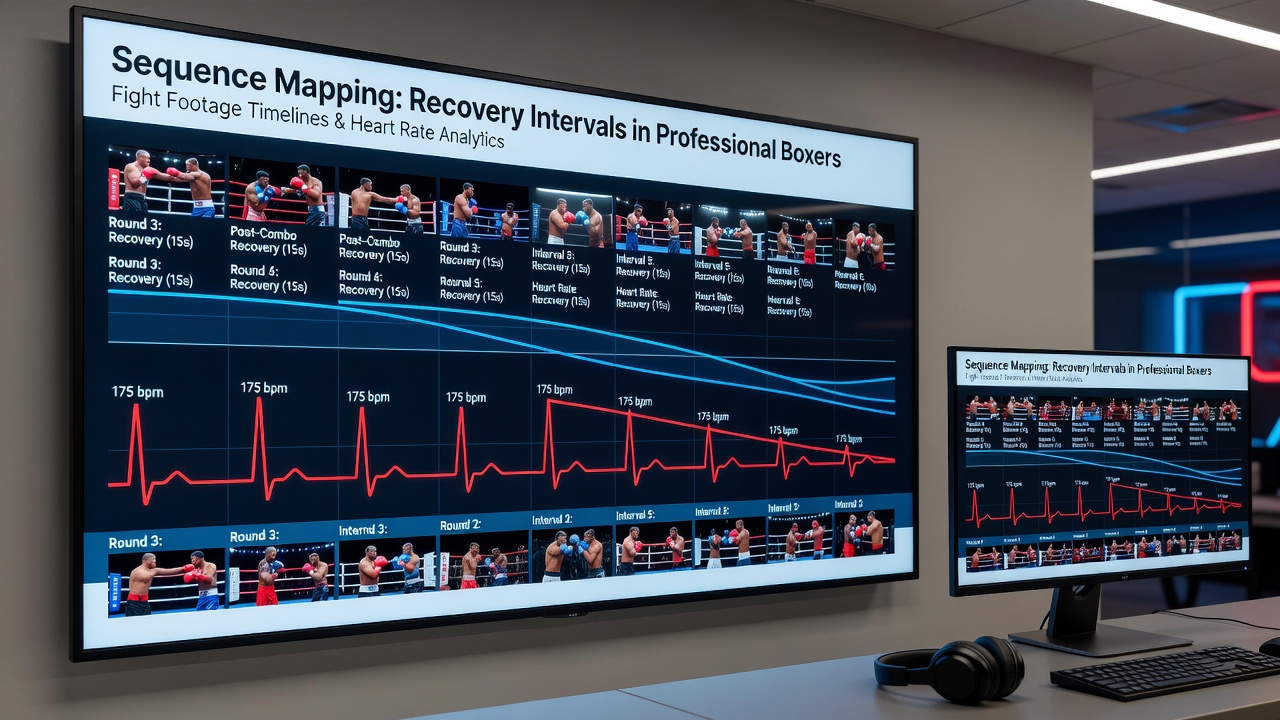
June 2026 marks the scheduled release of an expanded open-access database compiled by the American College of Sports Medicine that incorporates over 120 professional bouts with synchronized heart rate overlays and this resource will allow coaches worldwide to compare recovery sequences across different training methodologies and geographic regions. The database draws from bouts sanctioned in North America, Europe and Oceania to provide broader representation than earlier single-promotion collections.
Applications for Training Adjustments
Coaches use mapped sequences to adjust round lengths in sparring sessions or to introduce specific breathing drills that target the exact descent rates observed in an athlete's historical data and performance staff cross-reference these maps against punch output metrics so that recovery efficiency becomes a measurable component of fight preparation rather than a subjective judgment. Organizations such as the International Boxing Association have begun incorporating preliminary sequence mapping requirements into high-performance athlete monitoring guidelines to standardize data collection across member federations.
Technical Considerations in Data Alignment
Accurate overlay construction demands calibration of video frame rates against sensor sampling frequencies which typically range from 1 Hz to 4 Hz for consumer-grade devices and research-grade equipment reaches 100 Hz yet most publicly available fight footage operates at 30 or 60 frames per second creating occasional interpolation needs during rapid heart rate transitions. Analysts apply time-stamping software that accounts for broadcast delays and audio-visual offsets to maintain alignment within a two-second tolerance window and validation studies performed at Canadian university labs confirm that this margin preserves the integrity of interval slope calculations.
Conclusion
Sequence mapping through combined footage timelines and heart rate overlays supplies objective metrics for recovery interval evaluation in professional boxing and continued expansion of synchronized datasets will support evidence-based adjustments to training and in-competition strategies across the sport.