Rotational Dynamics in Hammer Throwing: Balance Strategies from Elite Performers in Worldwide Competitions
Written by Katja Brooks · Jun 6, 2026
Rotational Dynamics in Hammer Throwing: Balance Strategies from Elite Performers in Worldwide Competitions
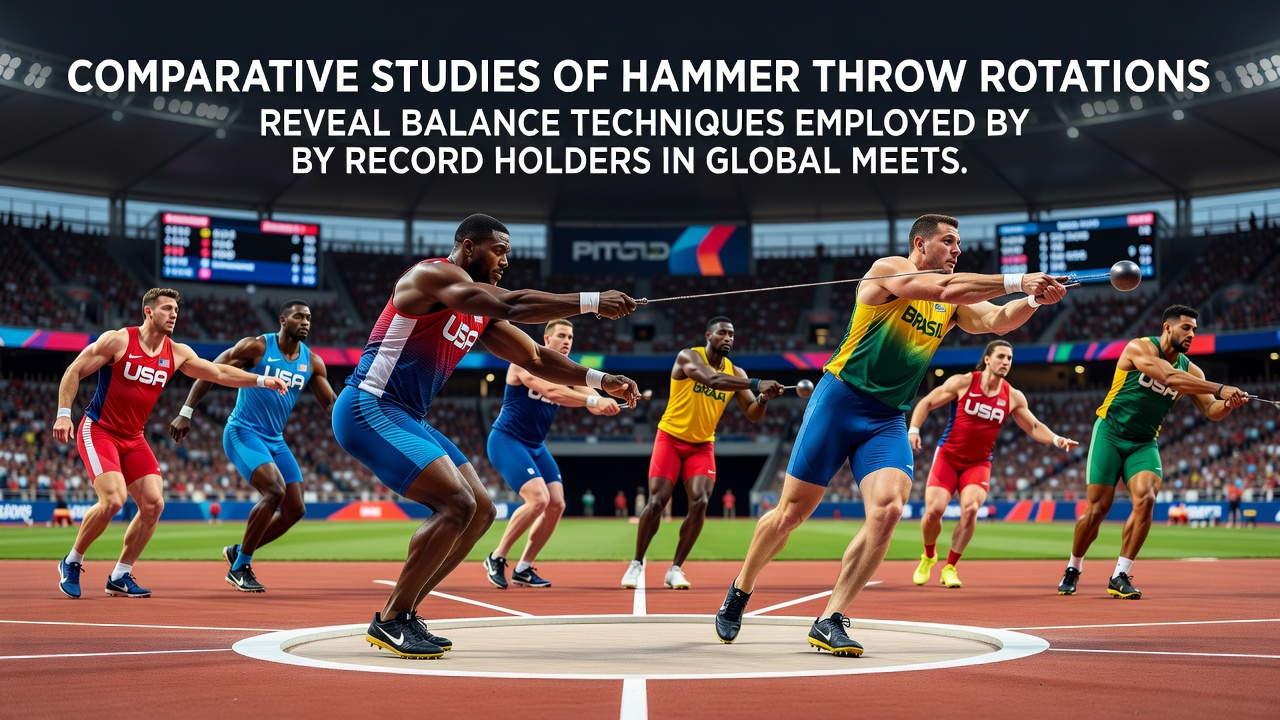
Comparative studies of hammer throw rotations highlight specific balance techniques that record holders apply during global meets, and researchers continue to analyze these patterns through video footage and motion data collected at major events. Athletes execute three or four turns before release while maintaining a low center of mass, and studies show that slight adjustments in foot placement and hip alignment allow consistent force transfer without loss of stability.
Balance begins at the start of the wind-up phase where the athlete positions the hammer behind the body and initiates the first turn with controlled shoulder rotation. Data from international competitions indicates that record holders keep their knees flexed at consistent angles throughout each rotation, which reduces vertical oscillation and preserves momentum along the circular path. Observers note that this approach differs from less experienced throwers who often rise on their toes and disrupt the plane of the hammer.
Key Elements of Rotational Balance Identified in Studies
Researchers have examined footage from events such as the Olympic Games and World Athletics Championships to compare techniques across multiple athletes. One consistent finding involves the timing of weight transfer between the lead and trail feet during each turn. Record holders shift weight earlier in the rotation, which allows the hammer to accelerate while the body remains grounded and balanced over a wider base.
Another technique centers on head position and visual focus. Athletes maintain a steady gaze toward a fixed point outside the throwing circle during the initial turns before shifting focus inward near release. This method, documented in motion capture comparisons, helps stabilize the vestibular system and prevents unwanted twisting of the torso that could compromise balance.
Comparative Analysis Across Record Holders
Studies comparing athletes from different regions reveal variations in grip tension and arm extension that affect rotational stability. European throwers often show slightly wider arm circles combined with earlier hip drive, whereas athletes from other continents tend to emphasize a more compact upper body posture. Despite these differences, both groups achieve similar balance through precise coordination of the lower body and core muscles.
Footwork patterns also stand out in the data. High-performing athletes plant the trail foot at a consistent angle relative to the direction of the throw, and this placement creates a stable pivot point that supports the increasing centrifugal force of the hammer. Frame-by-frame reviews confirm that deviations in this angle correlate with balance disruptions and reduced throw distances.
Application in Training and Competition Preparation
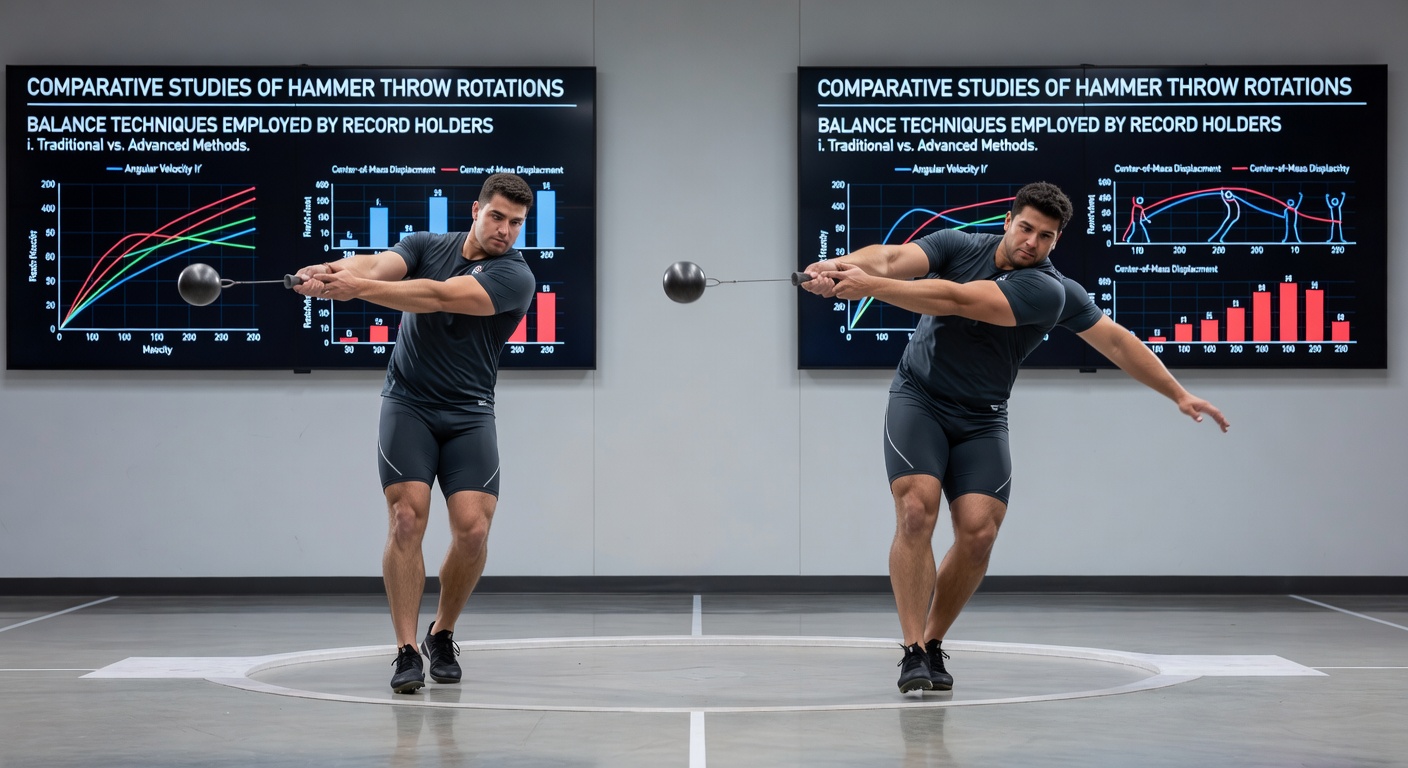
Coaches incorporate findings from these comparative studies into drills that isolate specific phases of the rotation. Balance boards and resistance bands help athletes replicate the weight shifts observed in elite performers, and repeated practice strengthens the neuromuscular pathways needed for consistent execution under competition pressure. Data collected during training sessions shows measurable improvements in stability metrics after several weeks of targeted work.
Global meets scheduled through June 2026 provide additional opportunities for researchers to gather fresh footage. Events on the World Athletics calendar allow ongoing comparison of how environmental factors such as wind or surface conditions influence the balance techniques employed by top throwers. Analysts track these variables alongside performance outcomes to refine existing models of rotational efficiency.
Insights from Motion Data and Athlete Profiles
According to reports published by the Athletics Integrity Unit, biomechanical assessments of record holders demonstrate that successful balance relies on synchronized breathing patterns that align with each turn. Inhalation during the wind-up and controlled exhalation through the rotations help maintain intra-abdominal pressure, which supports the core and contributes to overall stability.
One study conducted by the Sports Science Institute of South Africa compared four-turn versus three-turn techniques among medalists at recent championships. Results indicated that athletes who complete four turns achieve higher release speeds when they maintain the same balance cues observed in three-turn specialists, suggesting that the number of rotations matters less than the quality of balance throughout the sequence.
Conclusion
Comparative studies continue to map the balance techniques that enable record holders to excel in hammer throw events at global meets. These investigations provide coaches and athletes with concrete references for refining rotational mechanics, and ongoing analysis of competition footage ensures that training methods evolve alongside performance trends observed through 2026 and beyond. The integration of motion data with practical application supports consistent progress in the discipline.