Sensor-Equipped Suits Reveal Velocity Patterns in Speed Skating Curves During Winter Games
Written by Yves Simon · Jun 20, 2026
Sensor-Equipped Suits Reveal Velocity Patterns in Speed Skating Curves During Winter Games
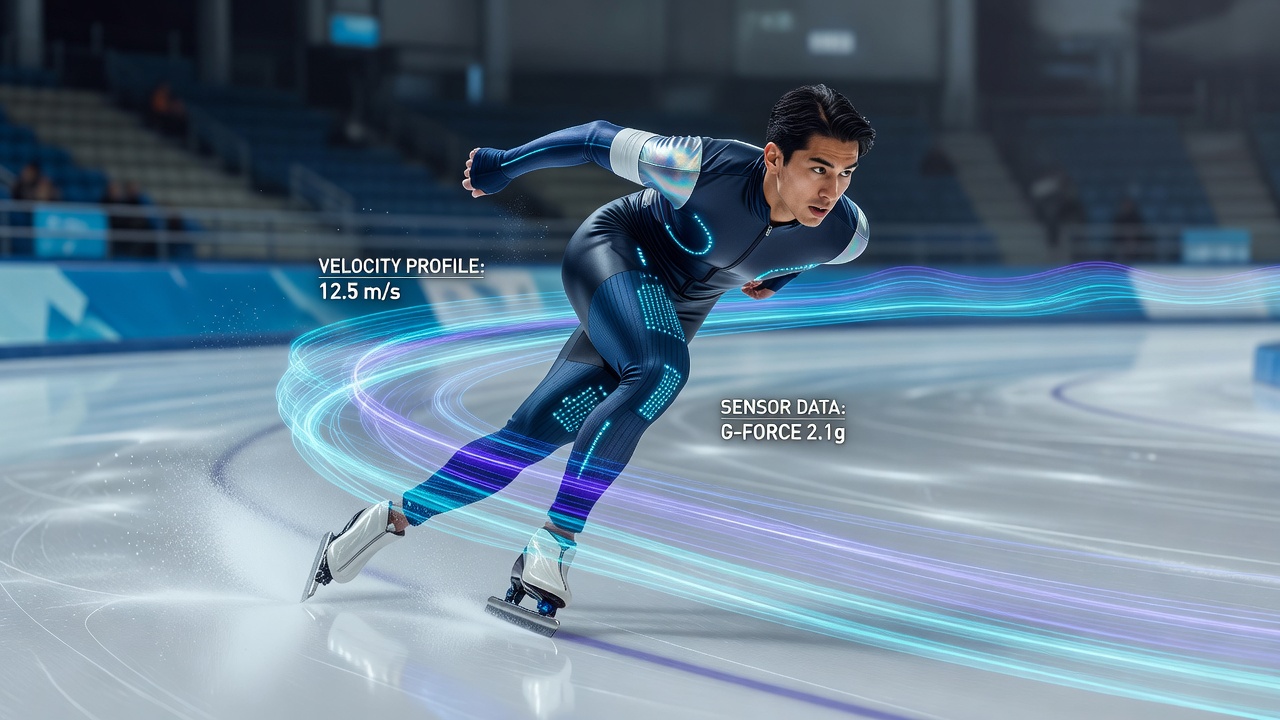
Speed skating curves demand precise control over acceleration and deceleration, and sensor-equipped suits have started delivering detailed velocity profiles from elite competitions at the Winter Games. These garments integrate accelerometers, gyroscopes, and GPS units directly into the fabric, allowing continuous tracking of skater movement through each bend without external cameras alone. Data streams from these suits capture speed variations at multiple points along the curve, revealing how athletes manage centripetal forces while maintaining forward momentum.
Technology Integration in Competition Suits
Engineers embed miniature sensors at key locations including the thighs, torso, and lower back, where they record linear acceleration and angular velocity at sampling rates up to 200 hertz. Wireless transmission sends this information to sideline receivers during races, creating synchronized datasets that combine with video footage for frame-by-frame comparison. Observers note that the suits maintain the same aerodynamic profile as standard competition gear, so athletes experience no change in drag or flexibility during events.
Velocity Data Collection at Major Winter Events
At recent Winter Games, teams from several nations equipped skaters with these suits for both short-track and long-track events. Footage from the curves shows initial entry speeds often dropping by 15 to 20 percent as skaters lean inward, followed by gradual reacceleration on exit when they push against the ice with their outside leg. Researchers at institutions such as the University of Calgary have cross-referenced these readings with force-plate measurements taken in training labs, confirming that peak velocity loss occurs roughly two-thirds of the way through each turn.
Curve-Specific Patterns Across Distances
Analysis of 500-meter and 1000-meter races indicates distinct velocity signatures depending on lap length and ice conditions. Shorter events produce sharper deceleration peaks because skaters enter curves at higher absolute speeds, whereas longer distances allow smoother velocity maintenance through better pacing. Data collected during the 2022 Beijing Games and subsequent international meets demonstrates that elite performers recover 80 percent of lost speed within the first three strides after exiting a curve, a pattern visible across multiple sensor recordings.
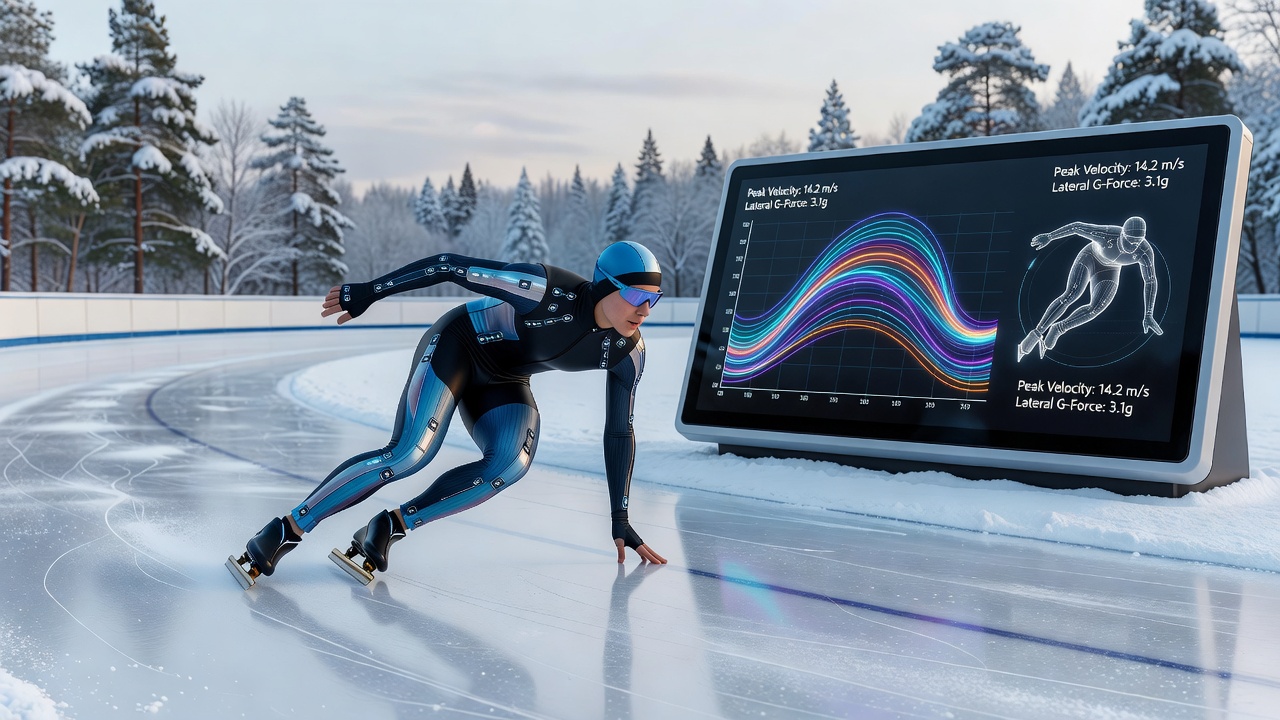
Coaches now review these profiles alongside traditional split times to adjust stride length and lean angles before the next race block. In June 2026, following the Milan-Cortina Winter Games, analysts plan to release aggregated datasets from all equipped athletes, enabling federations worldwide to compare curve performance across different ice surfaces and temperatures.
Training Adjustments Based on Sensor Feedback
National training centers have incorporated sensor-derived velocity maps into daily drills. Skaters practice maintaining higher minimum speeds through simulated curves on instrumented treadmills, targeting the specific points where data shows the largest drops. One documented case from Canadian development programs revealed that adjusting push-off timing by 40 milliseconds reduced velocity loss by nearly 0.3 meters per second on average across repeated trials.
European teams have adopted similar protocols after reviewing footage from shared international archives. The approach relies on objective measurements rather than visual estimation alone, allowing precise replication of successful curve techniques observed in competition.
Future Applications and Data Sharing
Sports science groups across North America and Europe continue refining sensor placement and data algorithms to account for ice friction variations. Plans exist to expand the technology to junior-level competitions, creating longitudinal records that track how velocity profiles evolve as athletes mature. According to reports from the International Skating Union technical commission, standardized data formats will facilitate cross-border comparisons starting with the post-2026 season reviews.
Conclusion
Sensor-equipped suits have shifted curve analysis in speed skating from qualitative observation to quantitative measurement. The resulting velocity profiles provide repeatable benchmarks that teams use to refine technique across distances and conditions. As more competitions adopt the technology, comprehensive archives will support ongoing performance development at every competitive level.