Slow-Motion Grip Transitions in Competitive Rock Climbing: Footage Insights from World Cup Finals
Written by Yves Simon · Jun 22, 2026
Slow-Motion Grip Transitions in Competitive Rock Climbing: Footage Insights from World Cup Finals
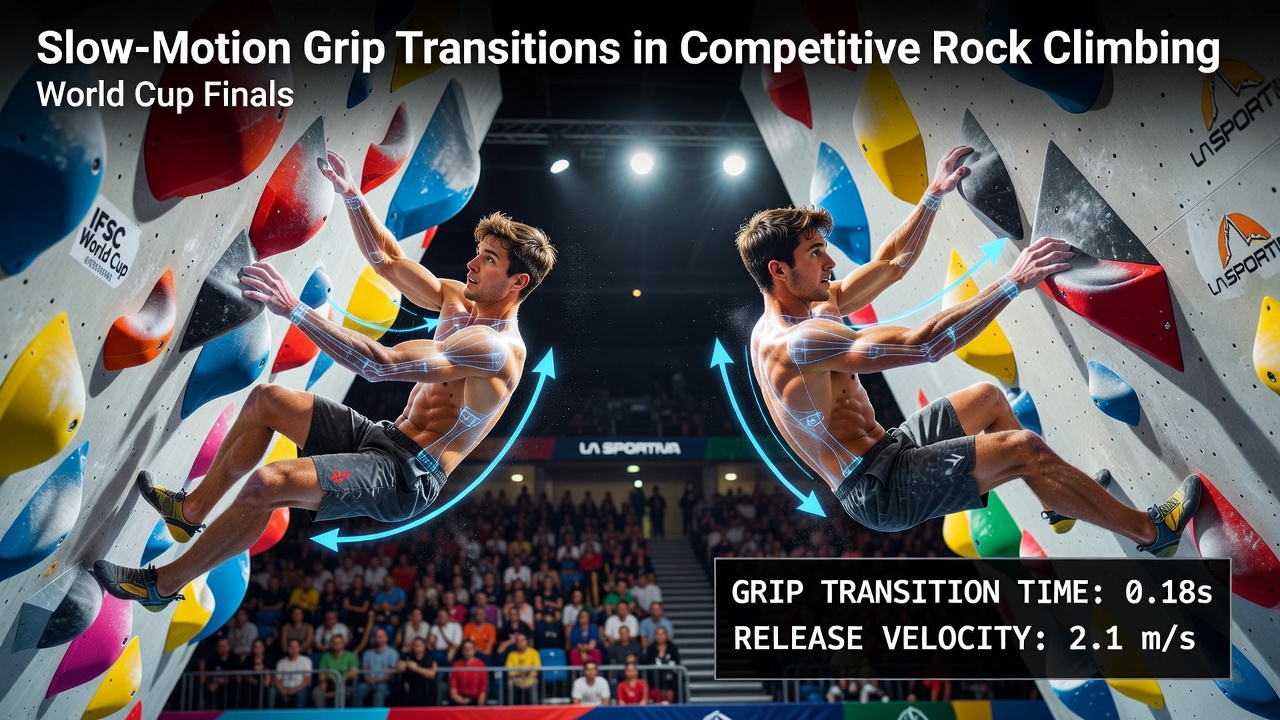
Competitive rock climbing demands precise grip transitions that separate top performers from the rest, and slow-motion analysis of World Cup finals reveals how athletes execute these movements under pressure. Footage from recent events shows climbers shifting between crimp, pinch, and open-hand positions while maintaining momentum on steep walls, with each transition timed to fractions of a second. Data from biomechanical studies indicate that elite athletes complete these shifts in under 0.4 seconds on average, allowing them to conserve energy across multiple routes.
Key Patterns in Grip Mechanics
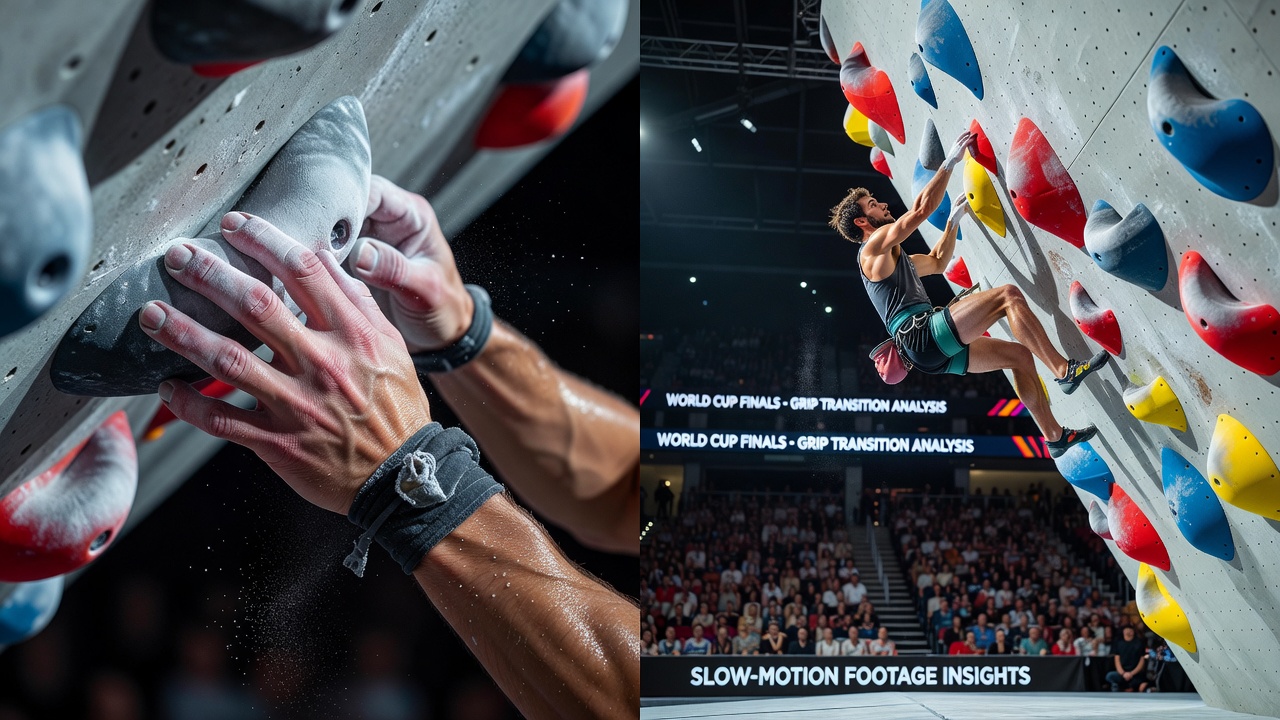
Observers note distinct patterns emerge when frame-by-frame reviews break down the sequences, such as the way climbers rotate their wrists to engage different finger pads before committing weight. In one finals round, athletes frequently used a thumb-over technique during dyno approaches, which footage confirms reduces slippage on small holds by distributing force across the entire hand. Researchers at sports science centers have tracked how these adjustments correlate with route completion rates, showing that climbers who vary grip pressure mid-transition maintain better body positioning throughout the climb.
Footage archives highlight differences between lead climbing and bouldering finals, where grip demands shift dramatically due to wall angles and hold types. Lead routes often require sustained open-hand grips for endurance, while bouldering emphasizes quick pinches that allow explosive power. Those who've reviewed hundreds of hours of competition video point out that successful transitions typically involve a brief pause in contact, lasting just 0.2 seconds, to reset finger tension before the next move.
Insights from Recent Championship Footage
World Cup events scheduled for June 2026 will build on patterns already visible in prior seasons, with organizers emphasizing high-definition cameras that capture grip details at 240 frames per second. Analysis of past finals demonstrates how climbers adapt to wet holds or fatigue by softening their grip angle, a strategy that prevents early pump and extends session length. International federation records show route setters increasingly incorporate holds that force varied transitions, pushing athletes to refine their techniques constantly.
One study from an Australian biomechanics lab examined wrist angles during transitions and found that a 15-degree rotation often precedes successful holds, providing stability without excessive forearm strain. Footage comparisons across multiple competitors reveal that top-ranked athletes integrate these micro-adjustments seamlessly, whereas others lose time hesitating between grips. Such observations help coaches develop training drills focused on reaction timing rather than raw strength alone.
Training Applications from Video Data
Coaches use these slow-motion insights to create targeted exercises that replicate competition demands, including drills where athletes practice grip switches on hangboards while monitoring heart rates. Evidence from training programs linked to European climbing federations suggests incorporating video feedback improves transition speed by measurable margins over standard practice alone. Athletes review their own footage alongside elite examples to identify subtle inefficiencies, such as over-gripping that leads to premature fatigue.
Competition rules from the International Federation of Sport Climbing require routes that test adaptability, which means grip transitions form a core scoring element in judge evaluations. Slow-motion replays during post-event reviews allow officials to confirm clean executions without penalties for holds that slip due to poor technique. Data collected across seasons indicates that climbers who master varied transitions achieve higher onsight rates in finals rounds.
Technological Tools Enhancing Analysis
Modern video systems now overlay timing metrics directly onto climbing footage, making it easier to quantify grip duration and pressure distribution. Software used by performance analysts breaks down each phase of a transition into measurable components, revealing how slight variations in finger spread affect overall efficiency. Researchers continue to refine these tools ahead of major events, integrating sensor data from holds that track force application in real time.
Case examples from recent tournaments illustrate how a single well-timed grip change can determine podium positions, especially on crux sections where holds become smaller and more angled. Footage archives stored by organizing bodies provide ongoing resources for athletes preparing for upcoming competitions, allowing side-by-side comparisons that highlight evolving techniques across different climbing generations.
Conclusion
Slow-motion examination of grip transitions continues to shape understanding of elite rock climbing performance, with World Cup finals serving as prime sources for detailed footage. Patterns identified through repeated reviews inform both training methods and route design, while advancing technology promises even finer insights into the mechanics involved. Athletes and analysts alike benefit from these resources as the sport evolves toward greater precision and consistency in competition settings.