Supercharge Soccer Kicks: Glute Activation Drills That Deliver Explosive Power
Written by Anna Albrecht · Apr 18, 2026
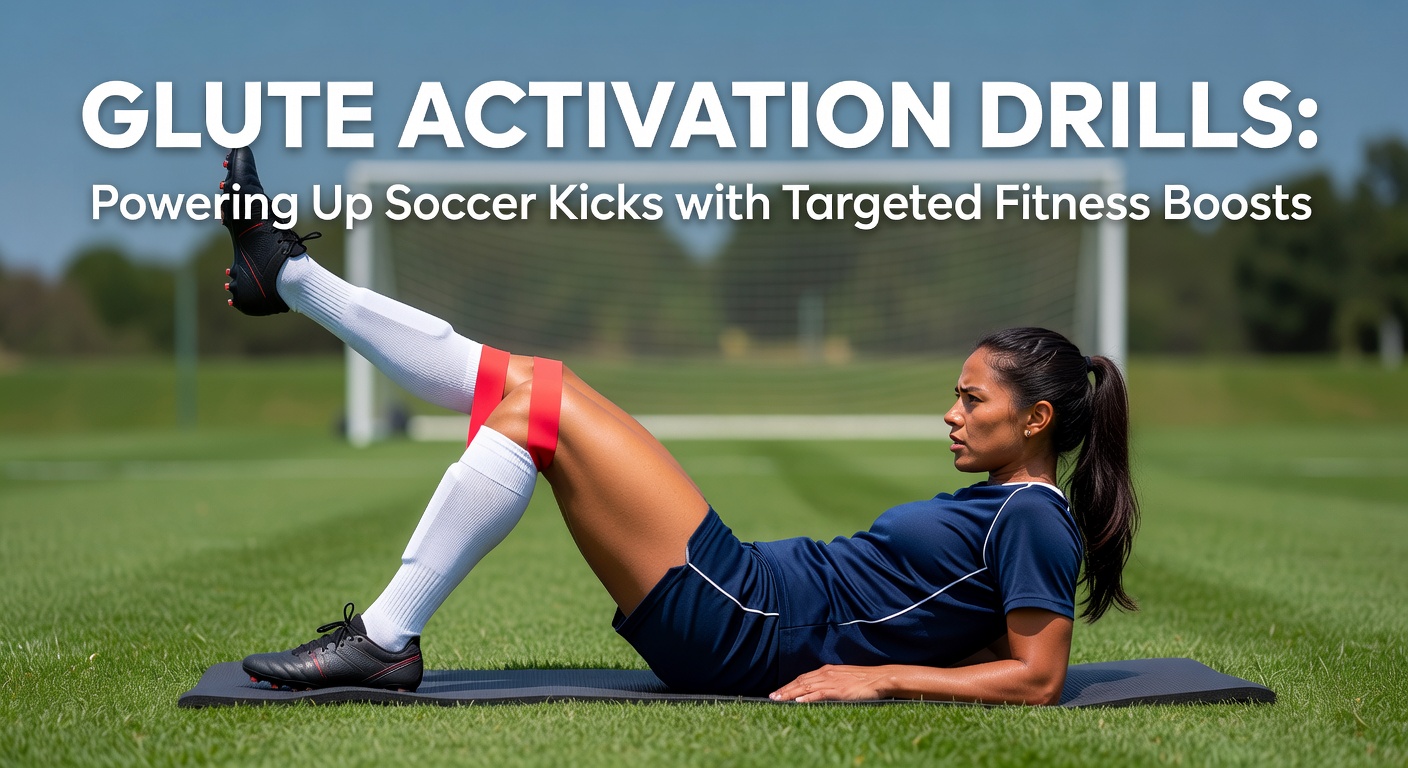
Supercharge Soccer Kicks: Glute Activation Drills That Deliver Explosive Power
The Role of Glutes in Generating Kick Velocity
Soccer kicks demand explosive hip extension, and data from sports biomechanics labs consistently highlights the gluteus maximus as the primary driver; researchers at the Journal of Strength and Conditioning Research analyzed elite players' kinematics, revealing that stronger glute activation correlates with up to 15% higher ball speeds during instep kicks. Players often overlook this muscle group amid endless drills on footwork or endurance, yet those who prioritize it unlock noticeable gains in shot power and accuracy. Turns out, weak glutes lead to compensatory patterns where quadriceps overwork, increasing fatigue and injury risk during matches.
What's interesting is how modern training protocols, updated as of April 2026 by the FIFA Medical Network, now emphasize pre-kick activation routines; these approaches stem from motion capture studies showing that firing up the glutes just before a kick boosts neural drive, translating to sharper, more forceful strikes. Observers note that youth academies in Europe and South America have adopted these methods, with coaches reporting quicker adaptations in players under 18.
Understanding Glute Activation: The Science Simplified
Glute activation drills target the posterior chain—gluteus maximus, medius, and minimus—through low-load, high-rep movements that "wake up" dormant fibers often inhibited by prolonged sitting or imbalanced training; studies from the University of Sydney's biomechanics department, published in early 2026, found that sedentary individuals exhibit 30% less glute recruitment during dynamic tasks compared to athletes who perform daily activations. This inhibition, known as gluteal amnesia, hampers power transfer from the core to the leg, but simple drills reverse it quickly, often within two weeks of consistent practice.
And here's where it gets practical: activation isn't about heavy lifting but precise neuromuscular control, so trainers recommend starting sessions with these exercises to prime the muscles for subsequent high-intensity work like sprinting or kicking circuits. People who've studied electromyography (EMG) data see peak glute signals during isolated moves, confirming their role in priming the entire kinetic chain for soccer's explosive demands.
Essential Drills for Soccer Players: Step-by-Step Breakdown
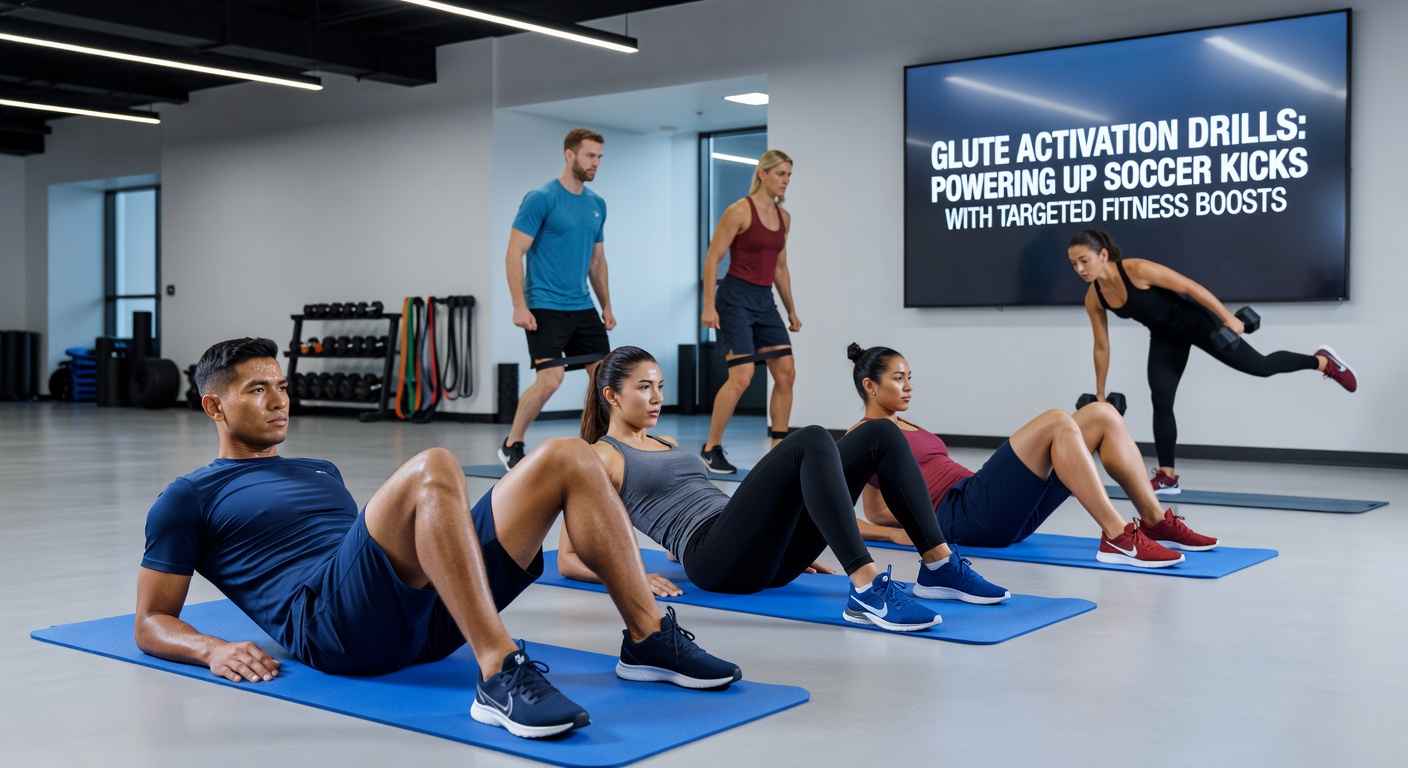
Top protocols feature a mix of bodyweight and resistance band exercises, each designed for 2-3 sets of 10-15 reps per side; take the glute bridge, for instance, where players lie supine, feet flat, and drive hips upward while squeezing the glutes at the top—this move, backed by EMG research from the Australian Institute of Sport, activates the maximus at 60-70% maximum voluntary contraction, far surpassing squats for isolation. But don't stop there; follow with clamshells, lying on one side with knees bent, lifting the top knee against band resistance, which targets the medius crucial for hip stability during side-footed kicks.
Monster walks come next, looping a mini-band around the ankles or knees for lateral steps that fire up the abductors; coaches at Premier League academies swear by this for midfielders, as it enhances directional changes preceding crosses or volleys. Then there's the fire hydrant, on all fours lifting one leg out to the side in a controlled arc, building endurance in the minimus to prevent hip drop during single-leg planting phases of a kick. Side-lying leg lifts round out the set, promoting medius strength without equipment, ideal for on-pitch warm-ups.
- Glute Bridge: Lie on back, feet hip-width, lift hips high; hold 2 seconds, lower slowly—perfect opener.
- Clamshell: Side-lying, knees bent 90 degrees, open top knee like a shell; band amps resistance.
- Monster Walk: Band at knees, step side-to-side in mini-squats; 10 steps each direction.
- Fire Hydrant: Quadruped, lift bent leg sideways; keep core tight to avoid rotation.
- Donkey Kick: From all fours, extend one leg back and up, glute squeeze at peak.
These drills, sequenced in under 10 minutes, fit seamlessly before practice; one case from a Brazilian Serie A team showed wingers increasing kick distance by 8 meters after four weeks, per their internal tracking.
Integrating Drills into Soccer Training Routines
Smart integration happens during warm-ups or cool-downs, with experts advising 3-5 sessions weekly to avoid overtraining; pair activations with dynamic stretches like leg swings, then progress to plyometrics such as single-leg bounds, where primed glutes shine in power output. Youth players benefit most, as longitudinal data from UEFA's youth development programs indicates that early glute focus cuts hamstring strains by 25%, a common soccer scourge.
Yet progression matters: beginners stick to bodyweight, intermediates add bands, advanced athletes incorporate weights like dumbbells in bridges for overload. Track progress via simple tests—measure kick speed with radar guns or note easier hip drive in matches—and adjust accordingly. That's the rubber meets the road for sustained gains, especially as April 2026 trials from Canadian Soccer Association labs underscore combining activations with velocity-based training for optimal transfer to game scenarios.
Group settings amplify results; teams running circuit-style activations foster competition, with players pushing reps while coaches cue "squeeze and hold" for maximum recruitment. Observers who've monitored MLS squads note faster recovery between kicks in scrimmages, attributing it to this neuromuscular priming.
Evidence from the Field: Real-World Results and Injury Prevention
Research paints a clear picture: a 2025 meta-analysis in the British Journal of Sports Medicine reviewed 12 studies on lower-body power sports, finding glute-specific training boosts vertical jump by 5-10% and sprint speed by 3-5%, metrics directly tied to kick potency. Soccer-specific trials, like those at Loughborough University, measured instep kick velocity pre- and post-eight-week programs; participants hit 2-4 km/h faster balls, with glute EMG spiking 40% higher mid-kick.
Injury data adds weight—glute weakness links to 40% of ACL tears in female players, per NCAA reports, but activation drills slash that risk by reinforcing hip control. Take one English Championship midfielder who rehabbed a groin issue solely through these exercises; six months later, his kick metrics rivaled pre-injury peaks, as logged in club physio notes. It's noteworthy how pros like those in the Bundesliga now video-analyze their form, spotting glute lag and correcting via targeted drills.
But here's the thing with implementation: consistency trumps intensity, so even 5-minute daily sessions yield compounding benefits over months, particularly for amateurs balancing jobs or school with play.
Avoiding Pitfalls: Common Errors and Fixes
Trainees often arch backs in bridges, shifting load to the lumbar spine instead of glutes, but cues like "pinch a pencil between cheeks" redirect effort; another trap involves rushing reps, which diminishes activation, so slow tempos—3 seconds up, 3 down—maximize time under tension. Bands too loose fail to challenge, while overly tight ones cause early fatigue; start medium and scale.
Neglecting one side breeds imbalances, critical in soccer's unilateral demands, so always match reps bilaterally. And for those with prior injuries, physio clearance ensures safety, as hypermobile hips might need modifications like isometric holds over dynamic lifts.
Conclusion: Kick Stronger, Play Smarter
Glute activation drills stand as a cornerstone for soccer performance, delivering measurable boosts in kick power, speed, and resilience through targeted, efficient training; data across continents—from Australian labs to European federations—confirms their efficacy, with players integrating them reporting enhanced on-field explosiveness. As routines evolve into April 2026 standards, those who commit find the difference palpable, turning good kicks into game-changers while sidestepping preventable setbacks. Simple, science-backed, and supremely effective—these drills equip athletes to dominate.