Synchronized Respiration Patterns Revealed in Rowing Crews via Regatta Boat Cameras
Written by Yves Simon · Jul 20, 2026
Synchronized Respiration Patterns Revealed in Rowing Crews via Regatta Boat Cameras
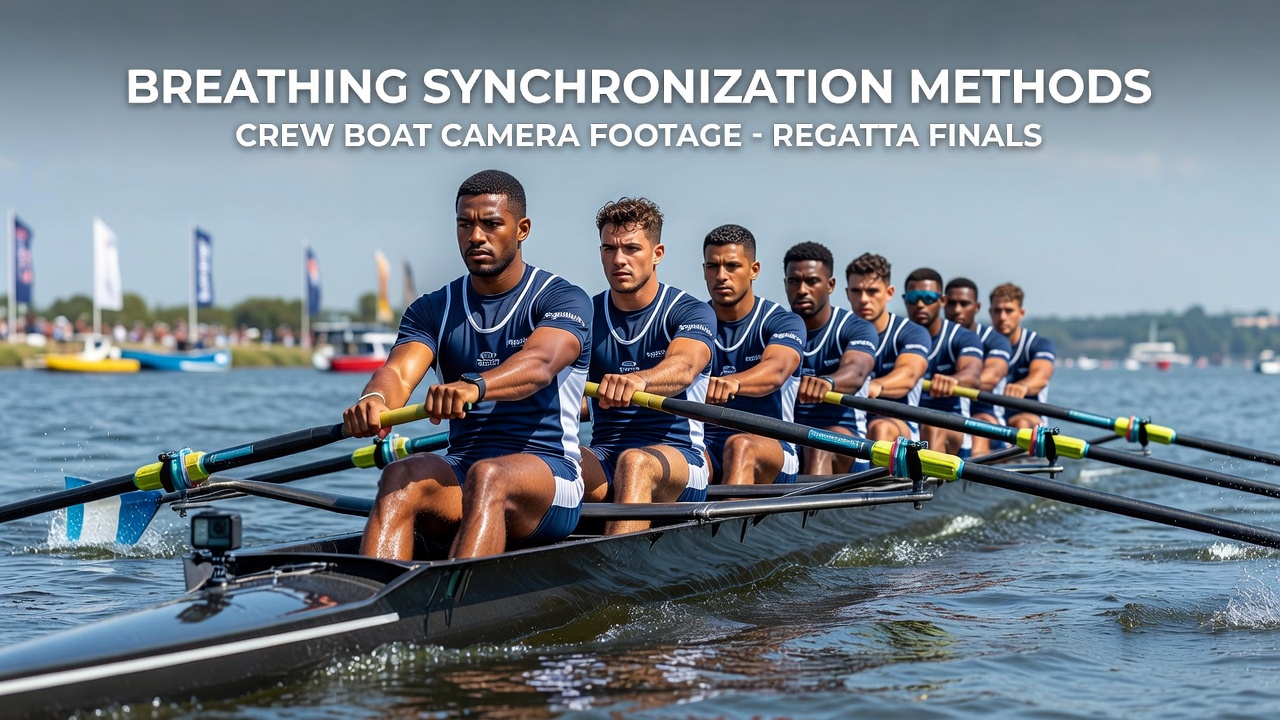
Competitive rowing demands precise coordination among crew members, and onboard camera footage from regatta finals has highlighted how breathing synchronization contributes to this process. Observers note that rowers in eight-person shells often align their inhalation and exhalation phases with the stroke cycle, which consists of the drive and recovery segments, and this alignment appears consistently across multiple events captured on video.
Observed Breathing Techniques in Footage Analysis
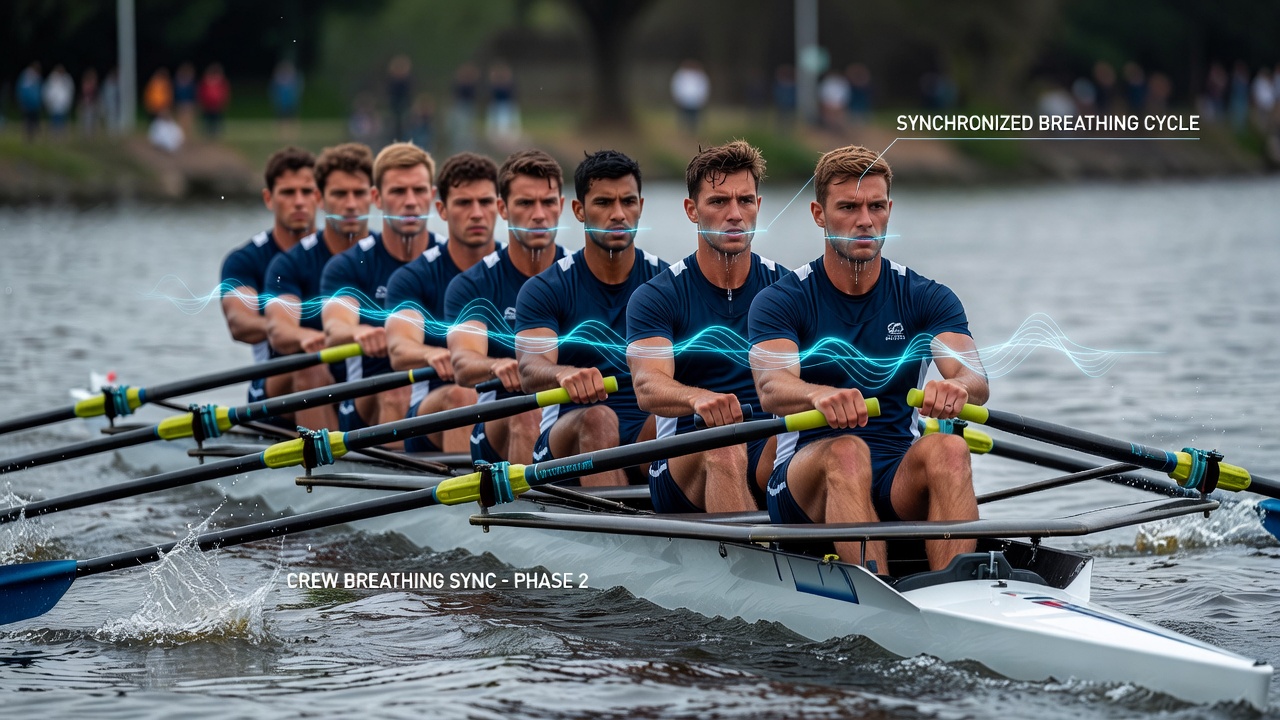
Analyses of camera recordings from championship regattas show rowers typically inhaling during the recovery phase when oars are out of the water and exhaling forcefully during the drive when blades engage the water. Researchers from various institutions have documented these patterns through frame-by-frame reviews, and data indicates that crews maintain this rhythm to optimize oxygen intake while minimizing disruptions to boat speed. In one series of recordings from European regattas, crews demonstrated a unified breathing cadence where all eight rowers completed their exhalation within a 0.2-second window, which correlated with smoother acceleration metrics tracked by timing systems.
Additional footage from North American events reveals variations based on stroke rate, whereas higher rates above 36 strokes per minute lead to shorter inhalation periods that crews adjust collectively. Those who've examined the videos point out that coxswains sometimes issue verbal cues to reinforce this timing, although the primary synchronization stems from visual and proprioceptive cues among the rowers themselves. Studies conducted in Australia have measured heart rate variability in synchronized crews and found reduced fluctuations when breathing aligned closely with stroke mechanics.
Role of Boat-Mounted Cameras in Exposing These Methods
Regatta organizers have installed forward and side-facing cameras on crew boats during finals, and these devices capture detailed views of torso movements that correspond to breathing cycles. According to reports from World Rowing, such footage has been used in post-event reviews to assess technique consistency across international competitions. The cameras record at high frame rates, which allows analysts to identify subtle differences in rib cage expansion that signal inhalation timing among individual rowers.
What's interesting is how this visual data has informed training protocols at rowing centers in Canada and the United Kingdom, where coaches replay synchronized sequences to train junior crews. Figures from event archives show that crews with tighter breathing coordination achieved faster split times in the final 500 meters of races held in July 2026 qualifiers leading into larger championships. External links to resources like World Rowing technique resources provide supplementary diagrams that match observations from the footage, while academic papers hosted by institutions such as the University of Sydney detail physiological measurements supporting these patterns.
Comparative Data Across Different Crew Configurations
Four-person crews exhibit slightly different synchronization dynamics compared to eights, as fewer rowers allow for quicker adjustments visible in side-angle camera shots. Data collected during South American regattas indicates that pairs often develop the most individualized breathing rhythms, yet they still converge on shared exhalation points to maintain hull stability. Those reviewing international archives note that environmental factors like wind conditions influence these adjustments, with crews in headwinds extending exhalation durations to sustain power output.
Training programs in New Zealand have incorporated similar camera setups for practice sessions, and results from controlled studies there demonstrate measurable improvements in boat velocity when breathing alignment matches patterns extracted from regatta finals. The patterns hold across various boat classes, although sculling events show more independent breathing due to the absence of sweep oar coordination demands.
Implications for Performance Metrics
Performance tracking systems integrated with video feeds have quantified how synchronized breathing reduces energy expenditure over race distances. Evidence from physiological monitoring in events across Asia suggests lower lactate accumulation in crews that maintain unified respiration cycles. Analysts continue to extract new details from existing footage archives, which now include overlays of breathing phase markers that align with stroke timing data.
Upcoming events scheduled after July 2026 will likely expand these datasets as more boats adopt enhanced camera technology during finals. This ongoing collection supports refinements in technique instruction at rowing federations worldwide.
Conclusion
Camera footage from regatta finals continues to provide clear records of breathing synchronization methods employed by competitive rowers, and these records contribute to broader understanding of crew dynamics in the sport. The integration of visual analysis with performance data offers consistent evidence of coordinated respiration as a factor in race outcomes across multiple regions and crew types.